
Can a guide narrate out loud inside a museum? What the rules actually restrict
Summarize with AI:ChatGPTClaudePerplexityGrokGoogle AI Mode
Guides ask this question in the wrong shape. "Am I allowed to narrate in a museum?" almost always has the answer yes. The rules that actually bite are narrower and more practical: how loud, how much floor you occupy, and whether you are using amplification.
Understanding which of the three you are breaking tells you what to change. Most guides who get asked to stop are breaking the first one without realising the second is what actually annoyed the attendant.
What do museums usually restrict?
Three things, and they are worth separating because the fix differs for each.
| Restriction | Why it exists | What it means for you |
|---|---|---|
| Volume | Sound carries in stone halls and disturbs other visitors | A raised voice is the problem, not speech |
| Amplification | Loudspeakers and megaphones dominate a shared room | Portable speakers are the most commonly prohibited item |
| Group footprint | A cluster blocks sightlines and circulation | Where you stand matters as much as how loud you are |
Headphone-based listening is unusual in that it addresses all three at once: nothing is amplified into the room, your voice stays conversational, and the group no longer has to compress around you to hear.
How do you find the rule for a specific museum?
Ask the site directorate, in advance, and ask about the specific hall rather than the museum as a whole. Rules are often stricter in one room -- a treasury, a chapel, a space with a sound installation -- than across the rest of the building.
A blog cannot answer this for you and neither can we. What follows is the shape of the question that gets a useful answer instead of a shrug.
- Name your group size and the date. "A group of thirty on Tuesday morning" gets a different answer than "a group".
- Ask specifically about amplification, separately from speech. They are different permissions in most places.
- Ask whether any hall has its own rule. This is where the surprises live.
- Ask where groups are expected to assemble. Most museums have a preferred spot, and using it prevents the footprint complaint.
- Confirm whether a guide credential changes any of the above -- it sometimes does.
Does silent narration actually work in a stone hall?
Better than in the open air, in our experience. Indoors the problem is usually reverberation rather than distance: hard surfaces smear speech, and a raised voice makes that worse rather than better.
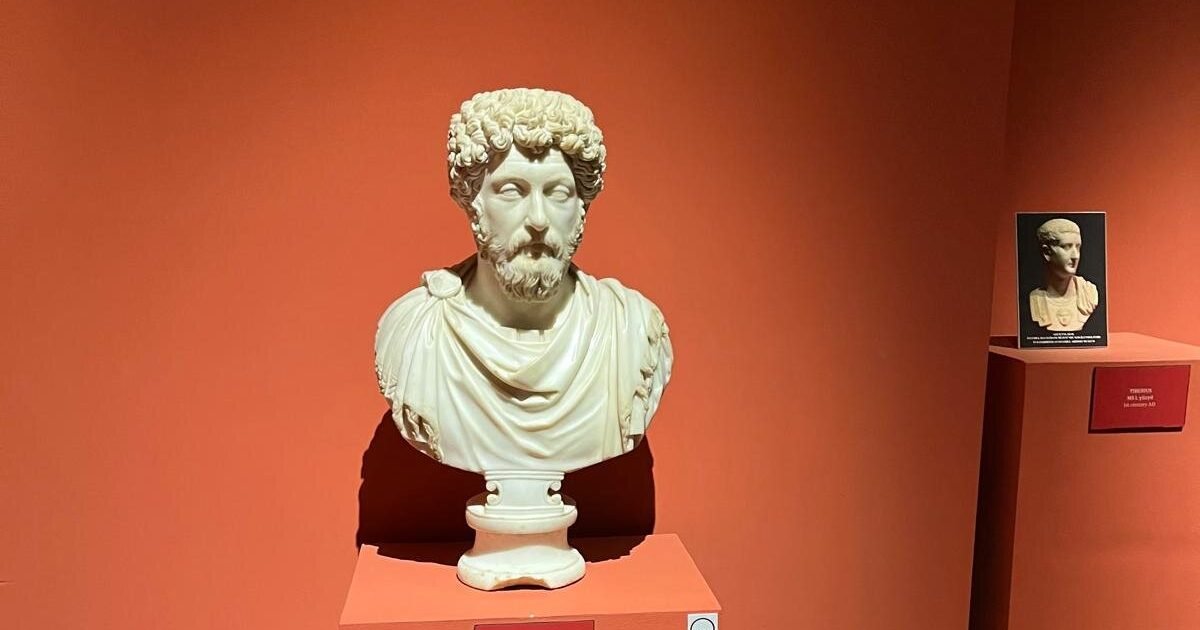
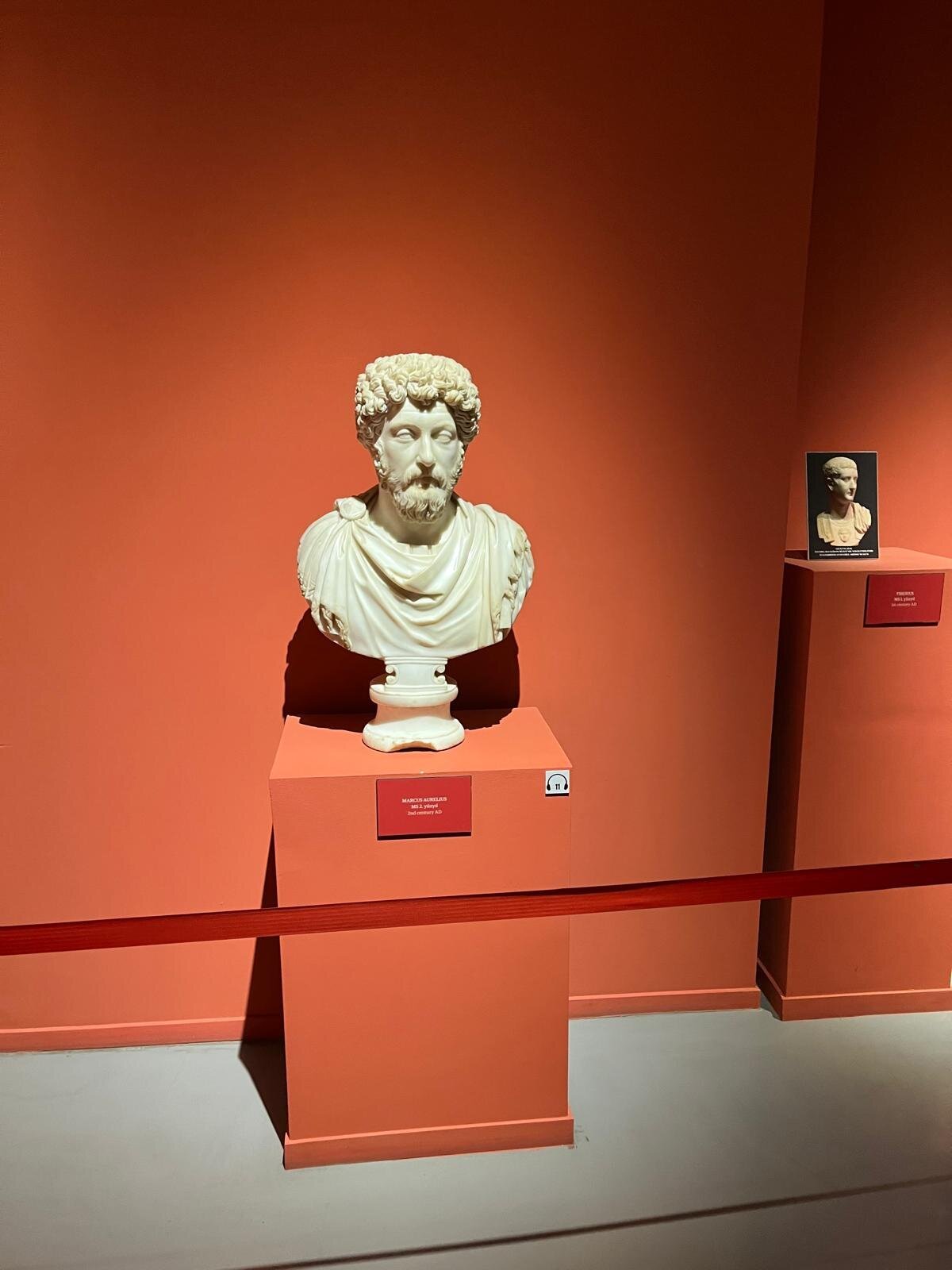
When the group listens through their own earphones, the room's acoustics stop mattering. We tested this at the Ephesus Museum in Selçuk on the same trip as our Aegean coast field test, and the practical difference was that the guide could speak at conversational volume in a hall where the previous group's guide was shouting.
Frequently asked questions
Are portable speakers allowed in museums?
Does headphone listening need permission?
Does the system need museum WiFi?
What about halls where photography is banned?
Can two guides work in the same hall?
Keep the room quiet and the group together
If your problem is volume in shared spaces, the fix is not projecting harder. See how the broadcast works: your phone is the transmitter, participants scan a QR code and listen in their own earphones, and the room stays silent. There is nothing to hand out and nothing to collect.
Sources
Indoor observations come from our own field test at the Ephesus Museum in Selçuk and at covered sites on the Aegean coast. Photograph is our own. Museum rules differ by institution and by hall; the site directorate is the authoritative source for any specific visit.
Places in this post
Related articles
 GuidesHeadsets are mandatory for Florence tour groups of more than eight (2026)
 GuidesYour group has scattered across a site. Now what?
 GuidesHow do you guide a group that does not share a language?
 GuidesDoes a tour audio system work underground? Signal, stone and what to carry
 GuidesHow do you make a guide's voice heard in wind? What actually gets lost
 GuidesHow to guide a 40-person group through an archaeological site in 2026