Hereke Imperial Factory and Kaiser Wilhelm Pavilion
The factory that wove silk and carpets for the Ottoman palaces is still working, and it is closed to visitors. What a group can enter is the timber pavilion beside it, so most of the factory's story has to be told from the waterfront.
- Location
- Hereke, Körfez, Kocaeli
- Type
- Museum
- Typical visit
- 45 min
- Coordinates
- 40.7831, 29.6157
Summarize with AI:ChatGPTClaudePerplexityGrokGoogle AI Mode
Hereke sits on the north shore of the Gulf of İzmit. The factory here was founded in 1843 and began production in 1845 as the Hereke Imperial Factory, weaving upholstery and curtain fabric for the palaces then being built. Jacquard looms and designers were brought from France for it. Under Abdülhamid II carpet weaving was added, which is where the Hereke carpet name comes from.
In the Republican period the factory ran under Sümerbank, and in 1995 it was transferred to the National Palaces. It still produces today, as a museum-factory: National Palaces researchers work with it to recover original Hereke patterns, and the fabrics are rewoven so that palace interiors can be restored with them.
The factory is closed; the pavilion is the visit
The National Palaces page for Hereke says it plainly: the timber pavilion next to the factory is open to visitors as a museum-pavilion, and the factory itself is closed. The ticket listed on the same page is for the Kaiser Wilhelm Museum-Pavilion.
That changes how the visit has to be built. Looms, patterns and the palace connection are the reason a group comes to Hereke, and none of them can be shown inside. Tell that part on the waterfront before you go in, and use the pavilion for its own story: a building made for the same court the factory wove for.
A pavilion built somewhere else
The pavilion was prepared at Yıldız Palace as a prefabricated building for the visit of the German Emperor Wilhelm II. The Ministry of Culture and Tourism's description adds that it was built in three weeks at Yıldız, brought by sea in pieces and assembled on site in a day, using a boat-building technique without metal nails. Its halls open towards both the sea and the land.
It is a single pavilion, not a palace. Plan it as one block of the visit, not as a route through it.
Where the fabric went
Hereke's best work went into the palaces, pavilions and kiosks that served as a showcase for Ottoman industry, and through diplomatic gifts into European courts. There was also a Hereke weaving workshop inside Dolmabahçe Palace, working as part of the factory.
For a group that will see Dolmabahçe or Ankara Palas, where Hereke fabrics are on display, this is the place to plant the name. The other historic factory still run by the National Palaces is the Yıldız Porcelain Factory in Istanbul.
Groups of more than eight need a headset system
The Hereke factory is on the list of visitable National Palaces sites, so the Administration's visiting rules apply here as they do at Topkapı and Dolmabahçe. Once a group with a licensed guide is larger than eight people, a headset system is mandatory, and guides may not narrate loudly indoors without one. Visitors who do not follow the rules can be asked to leave by the staff.
The rules do not name a type of system. If you plan to use anything other than the familiar rented sets, a phone-based system like ours included, confirm with the site that it is accepted before the day. The article texts and every site the rule covers are on our Topkapı headset rule page.
Practical notes
- Guided groups of more than eight must use a headset system (National Palaces visiting rules, article 8).
- The factory is closed to visitors; only the Kaiser Wilhelm Museum-Pavilion is open.
- The visiting rules list historic factories as closed on Saturdays and Sundays, while the site's own page lists no closing day. Confirm with the site before a weekend visit.
- The site's page lists the ticket office as open 09:00 to 17:00, and the site as closed on New Year's Day and the first day of both religious holidays.
- The visiting rules do not allow photography or video in indoor spaces at National Palaces sites.

40.7831, 29.6157
Coordinates are for orientation, not for navigation.
Map data © OpenStreetMap contributors.
Notes for guides
What a guide needs to know before standing in front of a group here. Written from our own field work; where we have not verified something, it is not listed.
- AccessTell the group in advance that the factory cannot be entered. They will expect looms; the visit is the pavilion beside them.
- RouteTell the factory's story on the waterfront before you go into the pavilion. Inside, nothing of the weaving is visible.
- TimingConfirm the opening days before planning a weekend stop. The visiting rules close historic factories on Saturdays and Sundays, and the site's own page does not settle it.
- Being heardWith more than eight people the National Palaces rules require a headset system here as well. Hereke being outside Istanbul does not change that.
- TipSay the indoor photography ban outside. It applies in every National Palaces interior, including this one.
Photographs
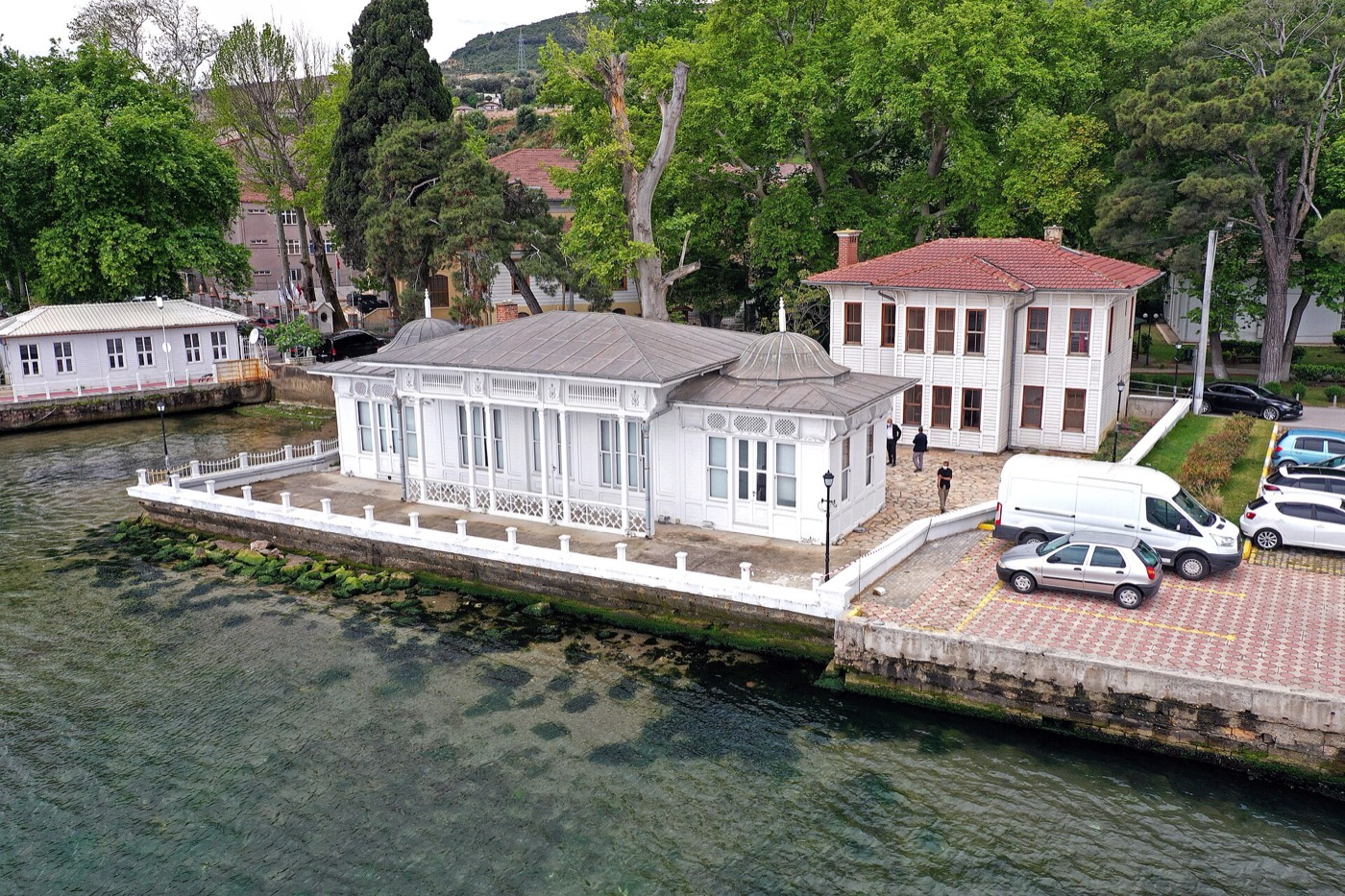
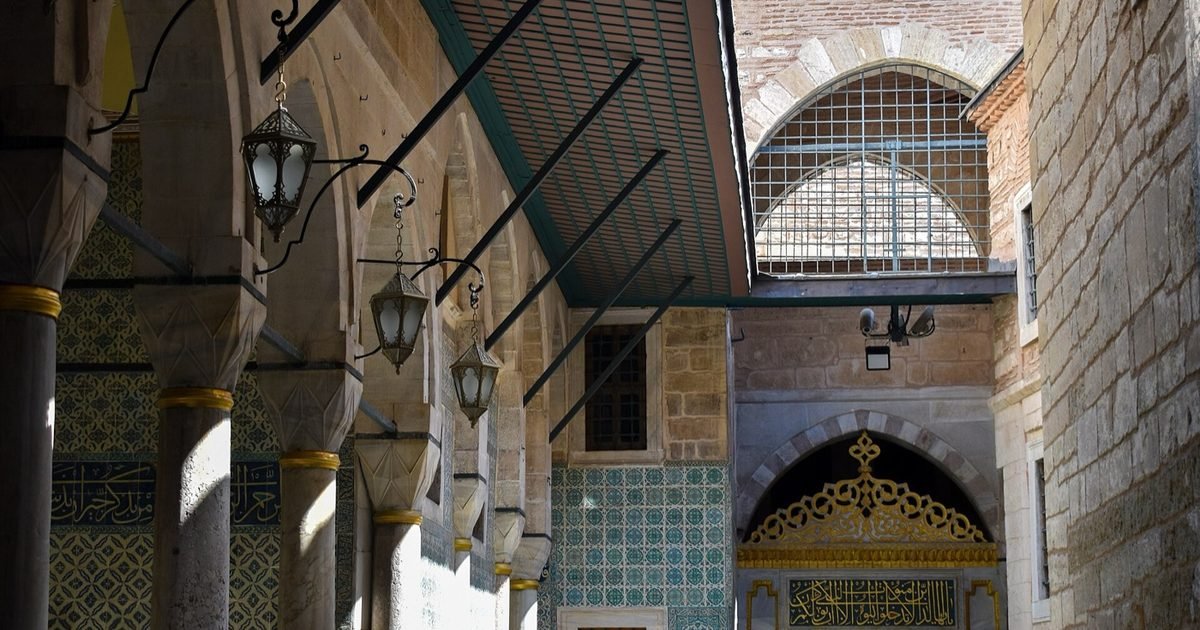
Photo: Kocaeligönüllüsü (CC BY-SA 4.0)
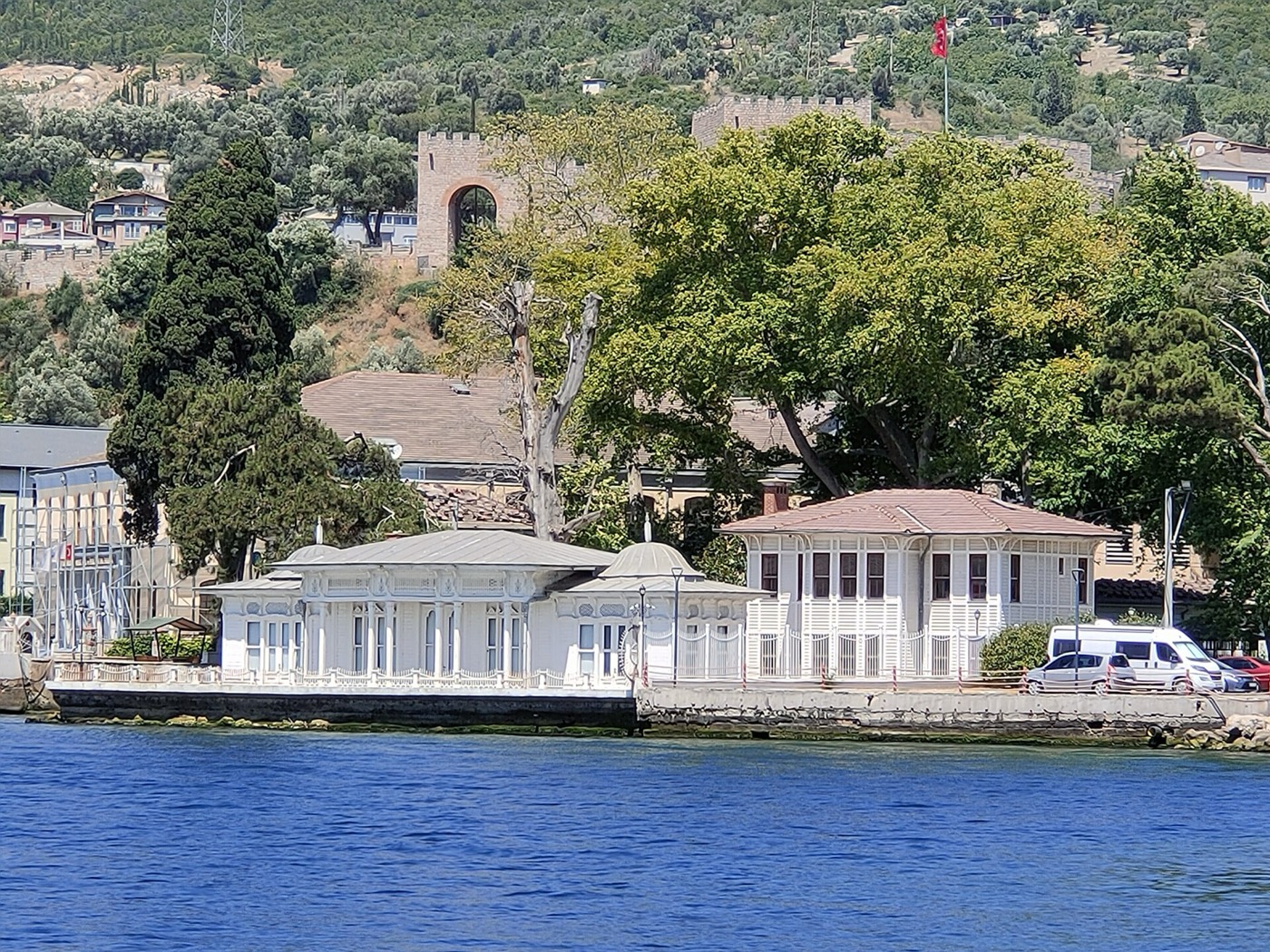
Photo: Wiki leylek (CC BY 4.0)
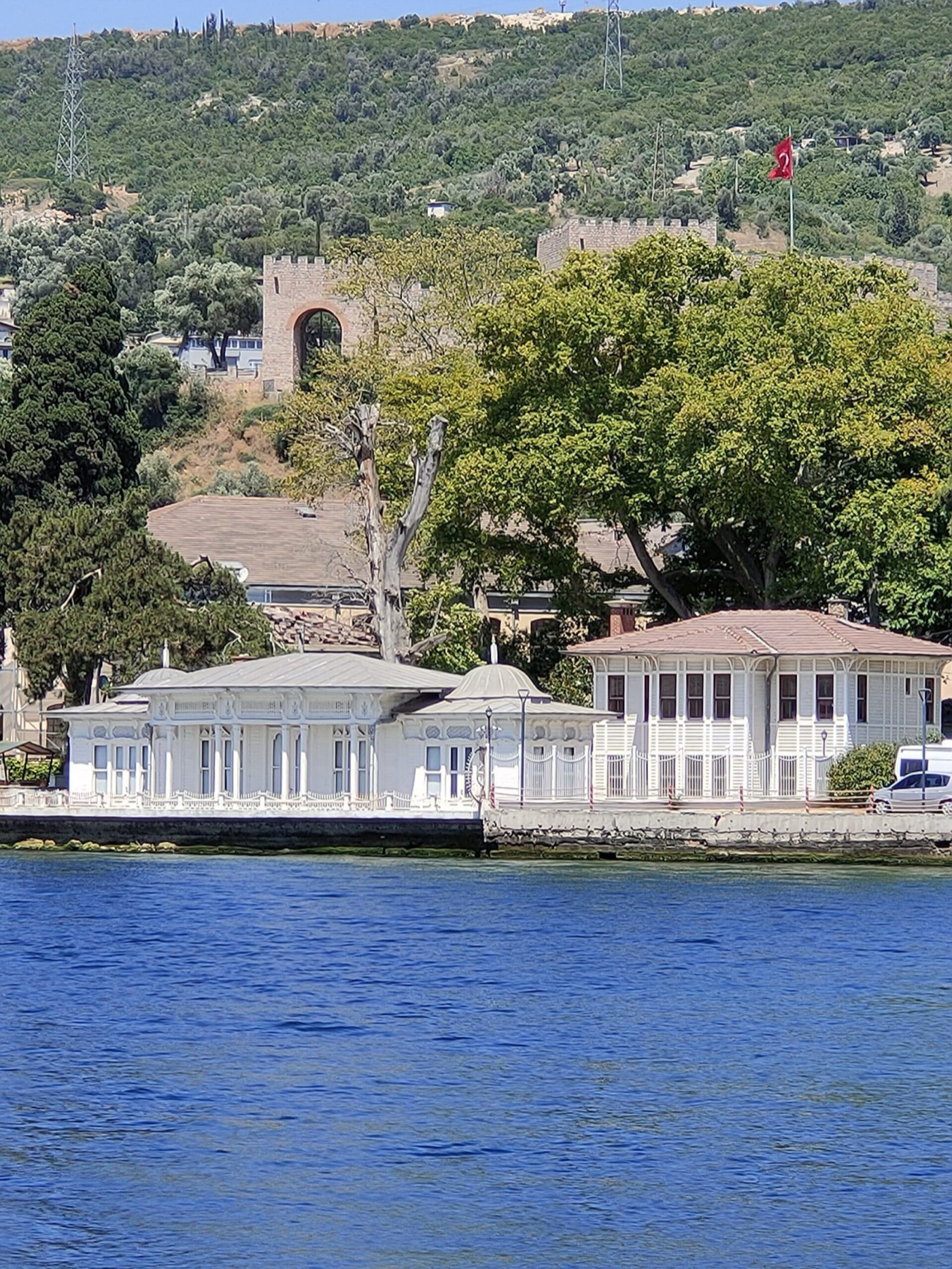
Photo: Wiki leylek (CC BY 4.0)
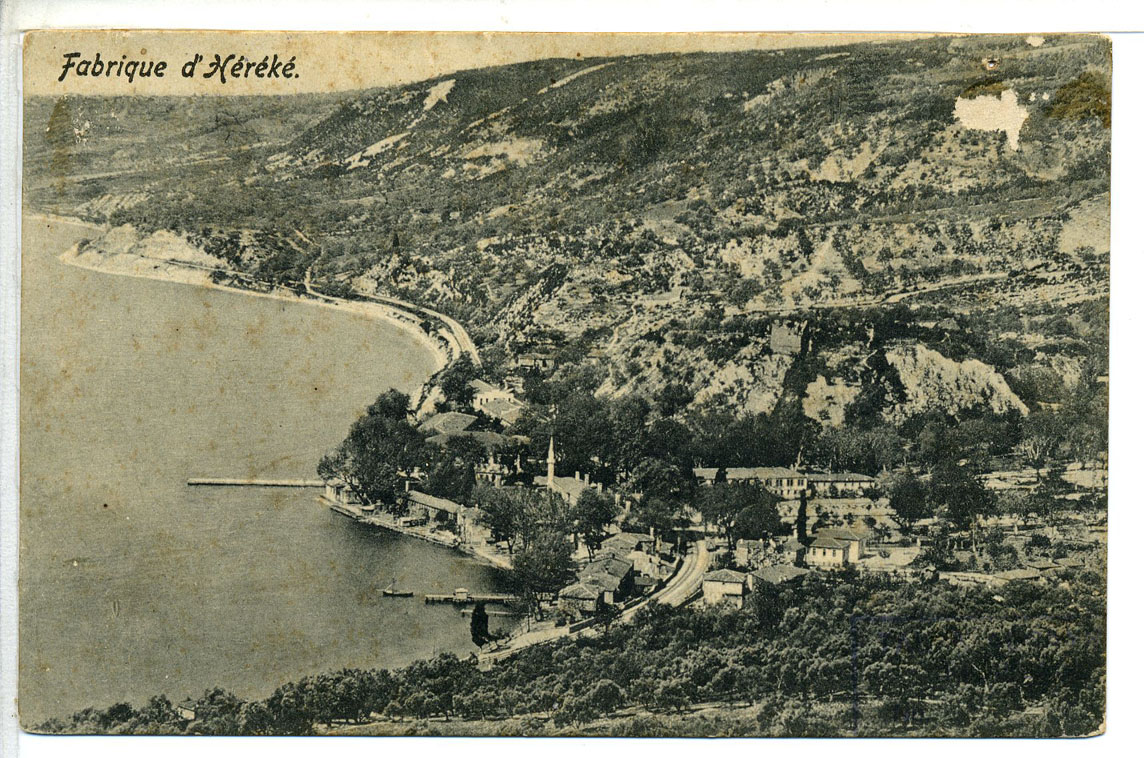
Photo: Unknown author (Public domain)


Common questions
- Can tour groups visit the Hereke carpet factory?
- Not the factory itself. The National Palaces state that the factory is closed to visitors and that the Kaiser Wilhelm Pavilion next to it is open as a museum-pavilion.
- Is the Hereke site open at weekends?
- Check before you go. The National Palaces visiting rules list historic factories as closed on Saturdays and Sundays, while the site's own page lists no closing day.
- Why is there a pavilion for Kaiser Wilhelm at Hereke?
- It was prepared at Yıldız Palace as a prefabricated building for the German Emperor Wilhelm II's visit and assembled beside the factory, where it now stands as a museum-pavilion.
- Does the headset rule apply at Hereke?
- Yes. Hereke is on the National Palaces list of visitable sites, and the visiting rules make a headset system mandatory for guided groups of more than eight.
Related articles
Sources
Facts on this page come from the sources below. Photographs are credited individually.
- Milli Saraylar Baskanligi -- Hereke Hali ve Ipekli Dokuma Fabrikasi (tarihce, fabrikanin ziyarete kapali olusu, muze-kosk, bilet)millisaraylar.gov.tr
- T.C. Kultur ve Turizm Bakanligi Kultur Portali -- Kaiser II. Wilhelm Kosku (yapim yontemi)kulturportali.gov.tr
- Milli Saraylar Idaresi Baskanligi, Ziyaret Usul ve Esaslari, md. 5, 6/1-c, 7/1, 7/2-d ve 8/1-bpanel.millisaraylar.gov.tr
- Istanbul Rehberler Odasi, Milli Saraylar ziyaret usul ve esaslari (15.05.2026)iro.org.tr
- OpenStreetMap -- Kaiser 2. Wilhelm Koskü (node 14091267867, konum dogrulamasi)openstreetmap.org