Hierapolis Archaeology Museum
The museum is installed inside the Roman baths, which means the building is the largest object in it. That is the reason to go in, and it is also the reason the room behaves badly for a group.
- Location
- Pamukkale, Denizli
- Type
- Museum
- Typical visit
- 45 min
- Coordinates
- 37.9250, 29.1246
Summarize with AI:ChatGPTClaudePerplexityGrokGoogle AI Mode
The museum occupies the halls of the Roman bath complex at Hierapolis, 200 m from the top of the travertine terraces. The collection is what the excavations produced -- sarcophagi from the necropolis, reliefs from the theatre, and finds from Laodicea nearby.
The building itself is the exhibit that matters. You are standing inside second-century bath architecture while looking at objects taken out of the ground a few hundred metres away.
Why it belongs in the middle of the day
A Pamukkale day is open, bright and unshaded from start to finish. The museum is the only indoor stop on the whole site, and it sits between the terraces and the upper city rather than at either end.
Put it at the end and it competes with a group that has already walked barefoot across a shelf of wet stone and climbed to a theatre. Nothing in a small provincial museum survives that comparison. Put it in the middle and it does real work: it cools the group down and it explains the tombs they are about to walk past.
The halls reflect rather than absorb
Vaulted stone rooms return sound instead of soaking it up. In a bath hall the practical limit on how you narrate is not distance, it is the other visitors: raise your voice enough for the back of your group and you have raised it for everyone else in the room too.
That is the same constraint as any museum gallery, only more so, because the ceilings are higher and the surfaces are harder.
Practical notes
- The museum is 200 m from the top of the travertine terraces.
- It is installed in the Roman bath halls; the architecture is part of the visit.
- The sarcophagus collection comes from the Hierapolis necropolis at the north end of the site.
- Forty-five minutes is enough; it is not a destination in itself.
- The museum is not separately UNESCO-inscribed -- the site it serves is.
Which card covers this museum and what it costs is on our museum cards page.

37.9250, 29.1246
Coordinates are for orientation, not for navigation.
Map data © OpenStreetMap contributors.
Notes for guides
What a guide needs to know before standing in front of a group here. Written from our own field work; where we have not verified something, it is not listed.
- RouteBetween the terraces and the upper city, not at the end of the day. It is the only indoor stop on the site and it is wasted as an afterthought.
- Being heardVaulted stone returns your voice instead of absorbing it. The constraint is the other visitors in the hall, not the distance to the back of your group.
- TimingForty-five minutes. Use it as the cool part of a day that has no shade anywhere else.
- TipThe sarcophagi here come from the necropolis at the north end of the site. Show them before the group walks past the tombs, not after.
Photographs
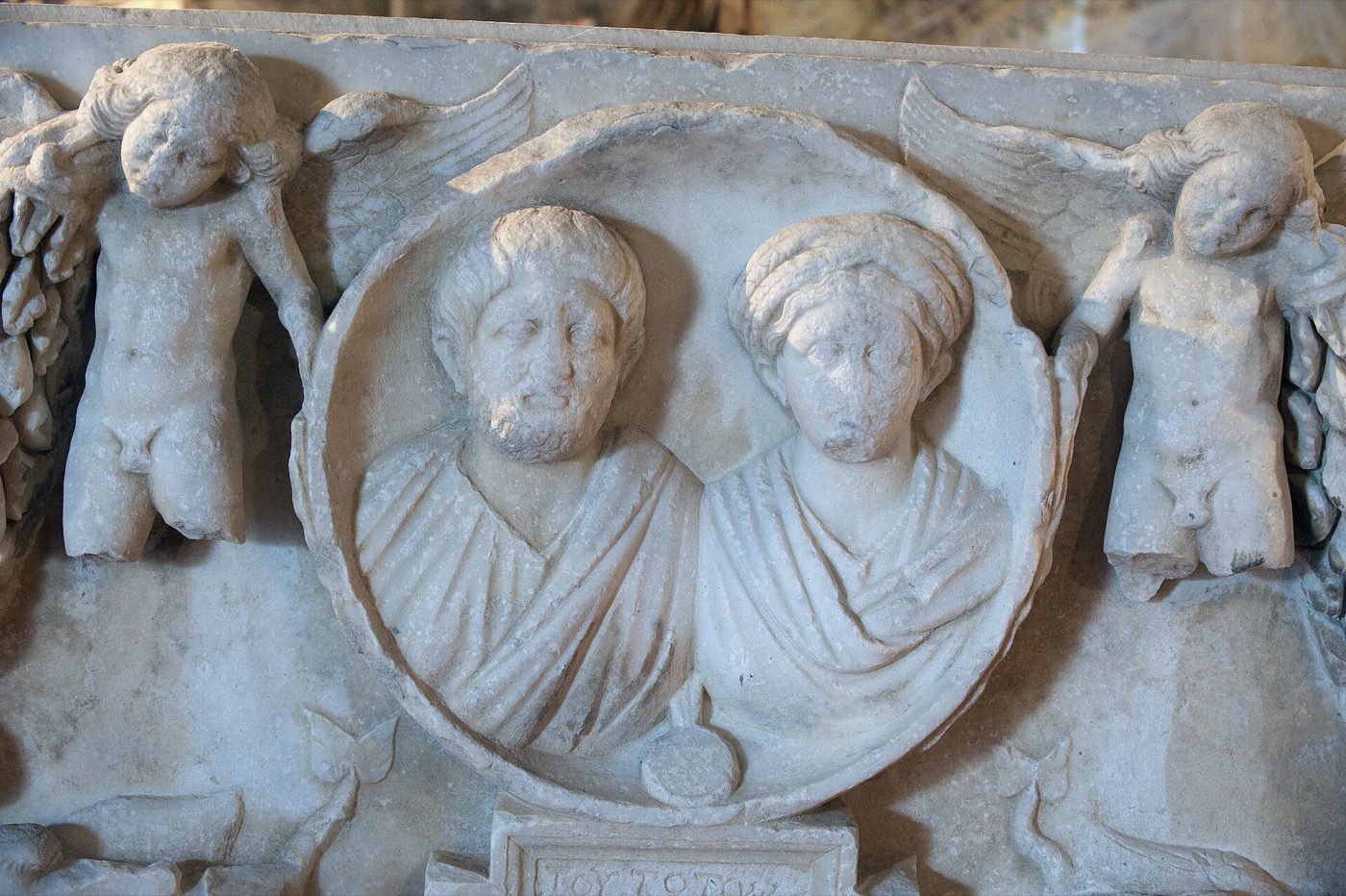
Photo: Dosseman (CC BY-SA 4.0)
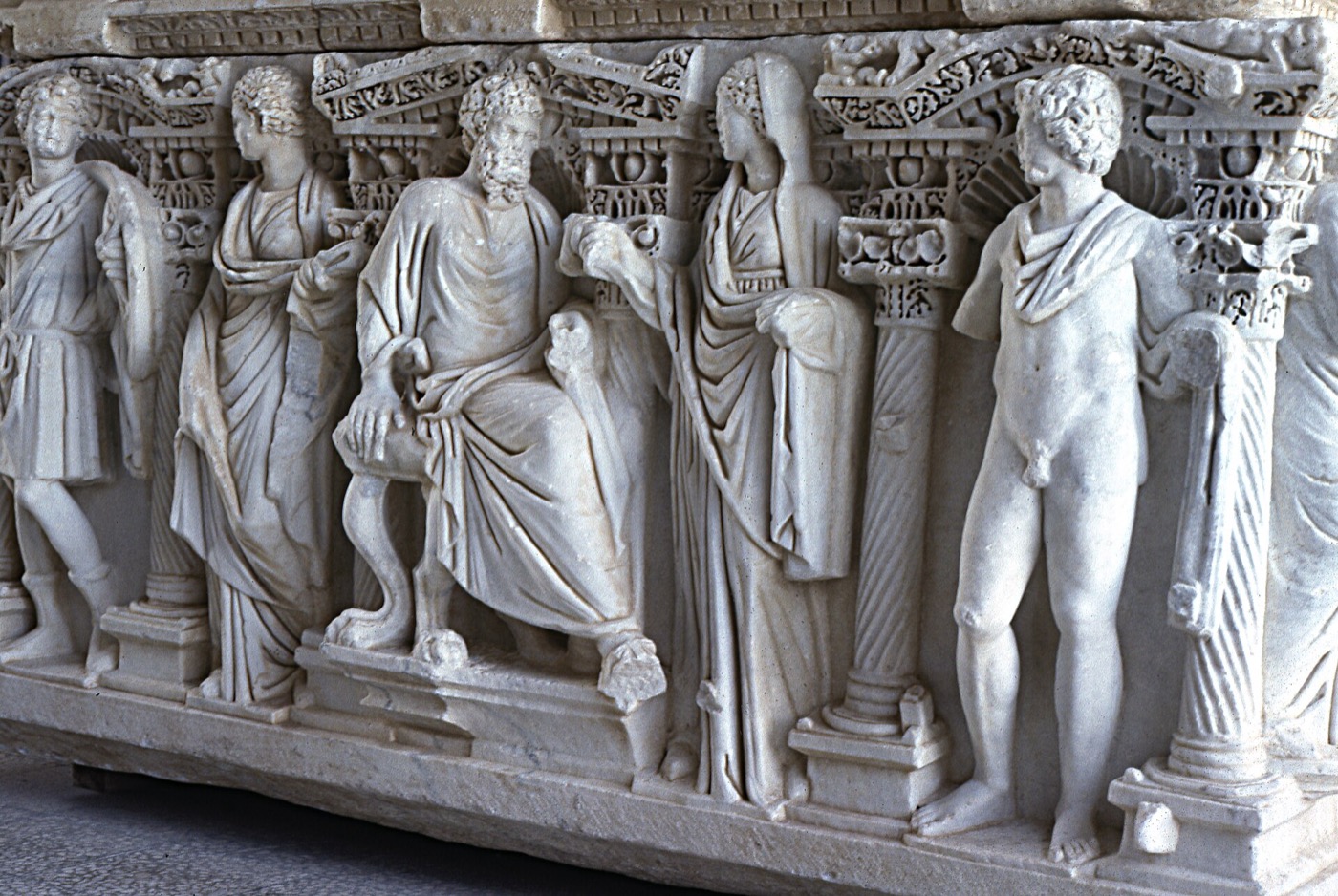
Photo: Dosseman (CC BY-SA 4.0)


Common questions
- How long does a group need at the Hierapolis Archaeology Museum?
- About forty-five minutes. It is a compact museum and it works best as the middle stop of a Pamukkale day rather than a destination in itself.
- Where is the museum on the site?
- About 200 m from the top of the travertine terraces, installed in the halls of the Roman bath complex.
- What is in the collection?
- Mostly what the Hierapolis excavations produced: sarcophagi from the necropolis, reliefs from the theatre, and finds from Laodicea nearby. The bath architecture the museum sits in is part of the visit.
- Is the museum part of the UNESCO inscription?
- The museum building is not separately inscribed. Hierapolis-Pamukkale, the site it serves, was inscribed in 1988 as a mixed property.
Related articles
Sources
Facts on this page come from the sources below. Photographs are credited individually.