
Ephesus Museum
The half of Ephesus that was carried indoors. It is also the one stop on an Aegean day where the room, not the distance, is what stops your group from hearing you.
- Location
- Selçuk, İzmir
- Type
- Museum
- Typical visit
- 1 h 15 min
- Coordinates
- 37.9490, 27.3679
Summarize with AI:ChatGPTClaudePerplexityGrokGoogle AI Mode
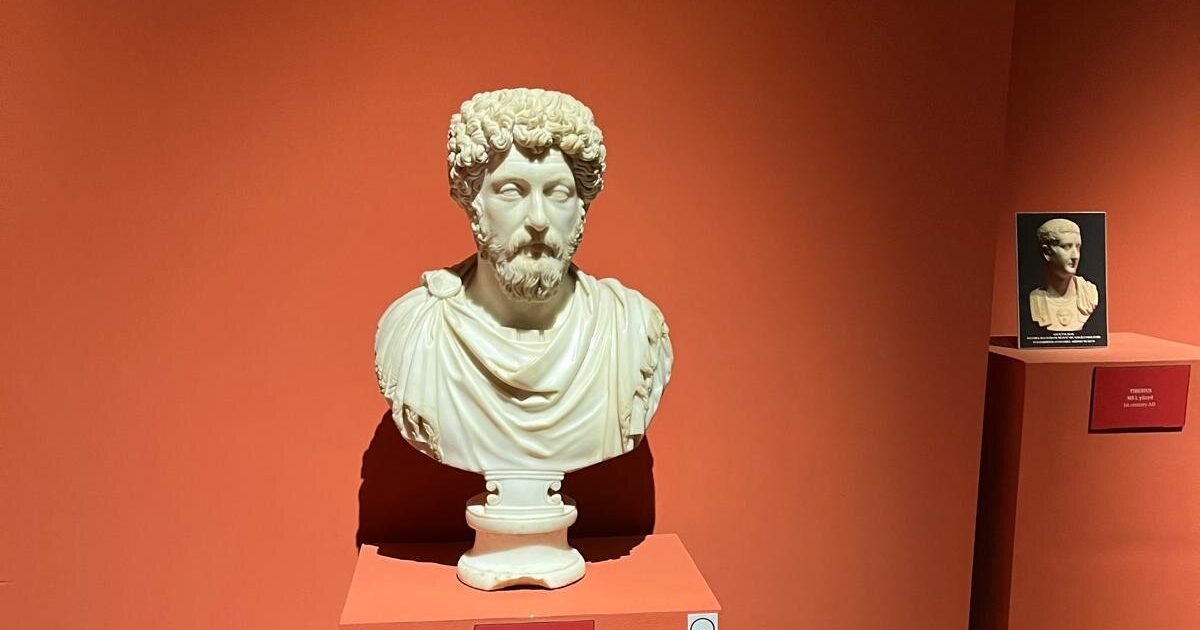
Everything portable that came out of Ephesus is here, two and a half kilometres from the site in the centre of Selçuk: the two Artemis statues, gladiator gravestones from the necropolis, and the household objects from the Terrace Houses.
The museum is not a supplement to the excavation. It holds the half of the city that the site can no longer show you — the faces, the furniture and the small things people owned.
Why an indoor stop is harder, not easier
Guides expect a museum to be the easy part of the day: no wind, no sun, no walking. In practice the enclosed hall creates the opposite problem. Hard surfaces reflect every voice in the room, so the noise floor is set by whoever else is inside — and at Selçuk that is often another group working the same three rooms.
On our August 2026 Aegean field test this was the clearest single demonstration of the difference. Our guide spoke at conversational volume to a group of twenty-three in a hall where the previous group's guide was shouting. Nothing about the room had changed; only who had to compete with it.
The order the rooms work in
Take the everyday material first and the Artemis hall last. The Terrace House rooms — frescoes, glass, the small bronze Eros figures — set up ordinary Roman life, and the group is still fresh enough to look at small objects properly.
The two Artemis statues are the museum's final scene. Putting them first flattens everything that follows, because nothing else in the building competes with them.
Before the site, or after it
After, if the day allows it. At the site the group has just walked past empty niches and bare foundations; the museum then answers the question they have been forming for two hours. Going first reverses that and turns the excavation into a checklist of things already seen.
The practical exception is heat. In July and August the museum is the right place to be at midday, and the site is the right place to be early. When the weather decides the order, say so out loud — the group will otherwise assume the museum is an afterthought.
Practical notes
- MüzeKart is valid at the Ephesus Museum.
- The museum is in the centre of Selçuk, about two and a half kilometres from the excavation.
- It is a separate ticket and a separate stop from the Ephesus site.
- The building is compact; a group of twenty-five fills a room.
- The Basilica of St John and the İsa Bey Mosque are both within walking distance of the museum.
Both the museum and the excavation are covered by the museum pass. Our museum cards page sets out which card covers what for a mixed group.

37.9490, 27.3679
Coordinates are for orientation, not for navigation.
Map data © OpenStreetMap contributors.
Notes for guides
What a guide needs to know before standing in front of a group here. Written from our own field work; where we have not verified something, it is not listed.
- Being heardThe hall reflects every voice in it, so your competition is the other group, not the distance. This is the stop where speaking louder makes the room worse for everyone in it.
- RouteKeep the Artemis hall for last. Nothing else in the building follows it well.
- CrowdsThe museum is compact and coach groups arrive on the same rhythm as the site. Expect to share the Artemis hall and plan the long explanation for a room that is free.
- TimingIn high summer this is the right stop for midday and the excavation is the right stop for early morning. If heat sets the order, tell the group why.
- TipSay at the start that the Temple of Artemis itself is neither here nor inside the excavation. The question arrives in the Artemis hall otherwise.
Photographs
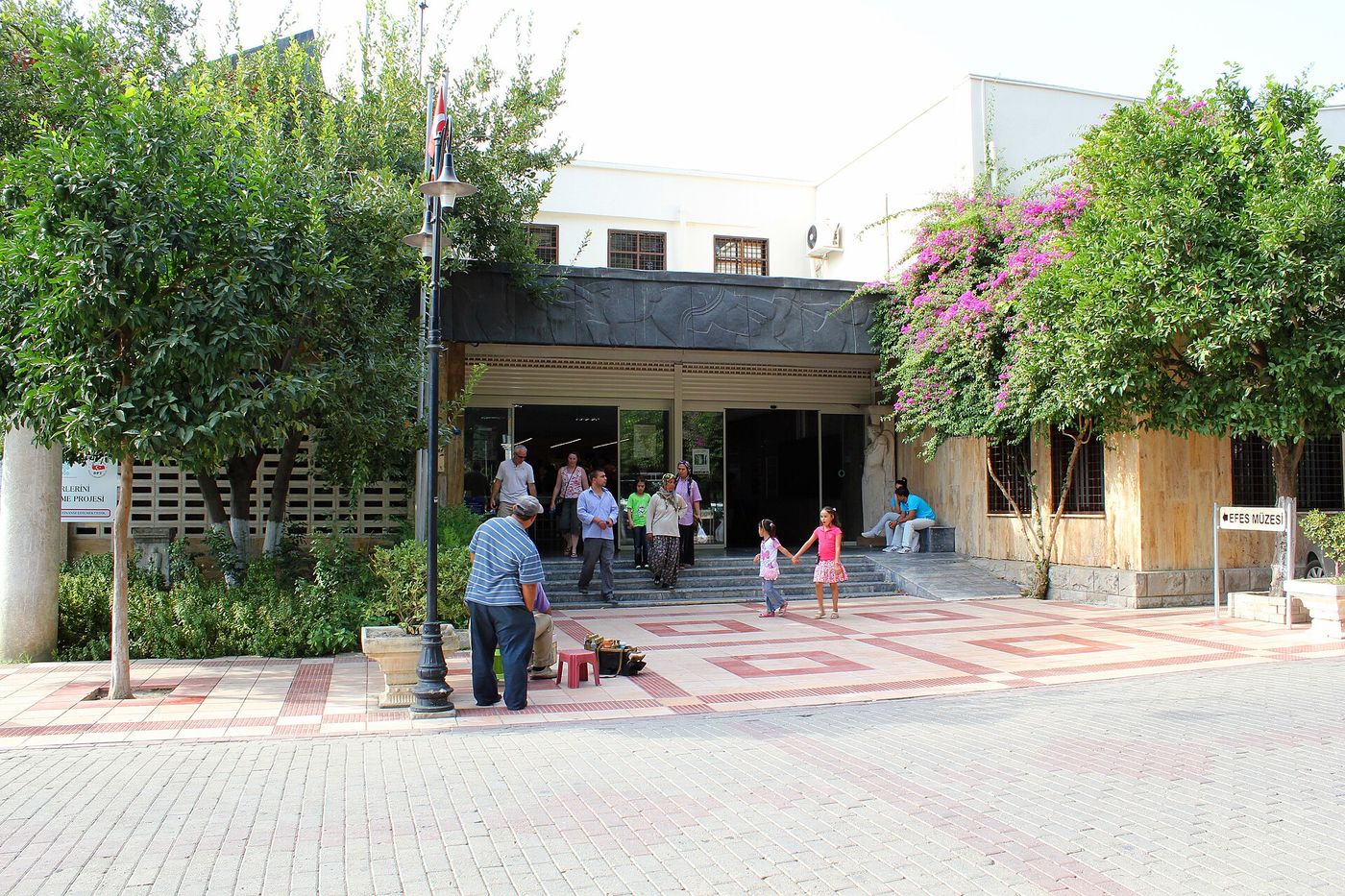
Photo: Klaus-Peter Simon (CC BY-SA 3.0)
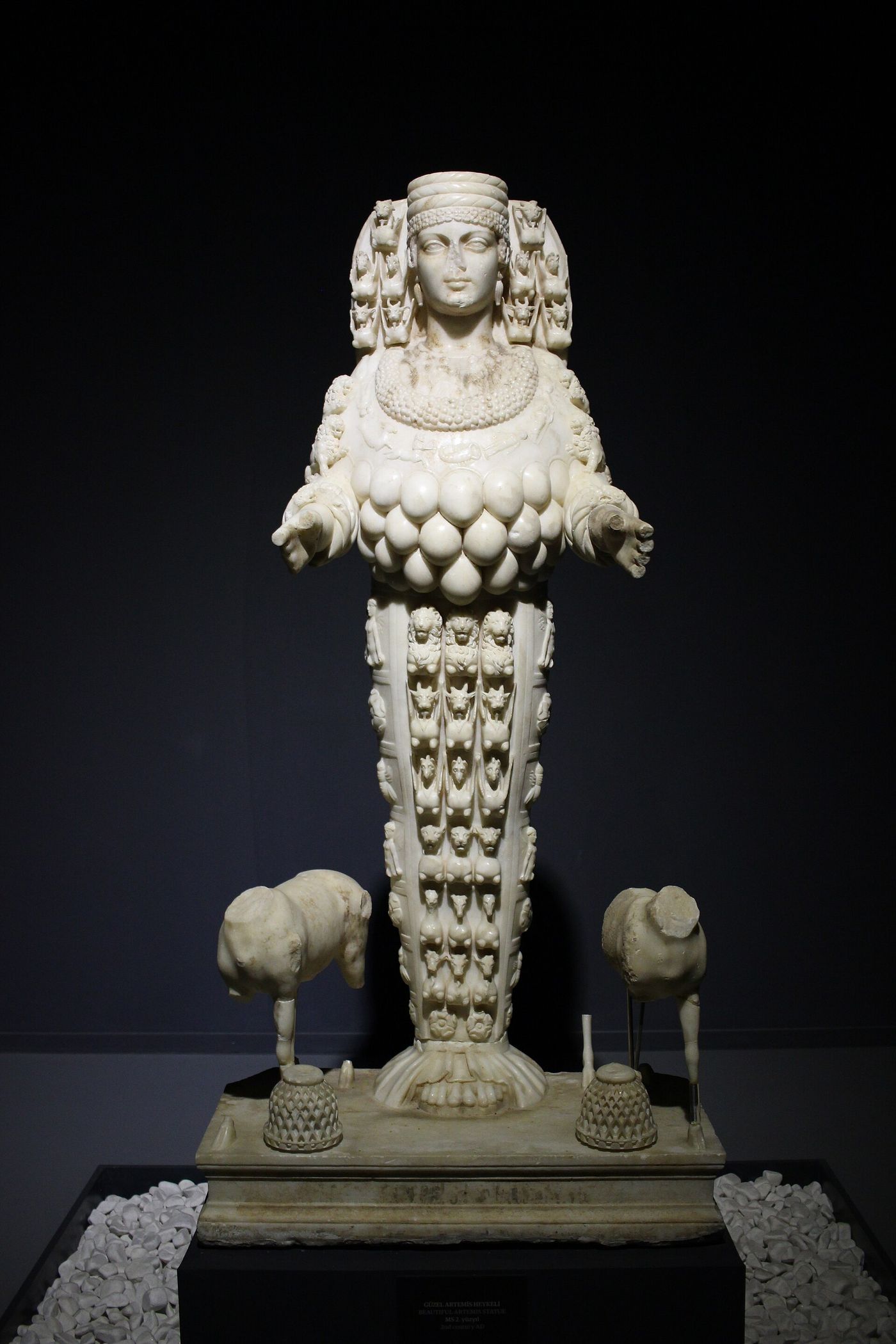
Photo: Blcksprt (CC BY-SA 4.0)


Common questions
- How long does a group need at the Ephesus Museum?
- About an hour to an hour and a quarter at a normal group pace. The building is compact and most of the time goes to three or four rooms.
- Should the museum come before or after the Ephesus site?
- After, when the day allows. The group has just seen empty niches and bare foundations, and the museum answers the question that raises. In high summer the heat often reverses the order.
- Is MüzeKart valid at the Ephesus Museum?
- Yes. The museum is on the Ministry of Culture and Tourism's museum pass list, so pass holders enter without a separate ticket.
- Why is a museum harder to narrate than an open archaeological site?
- Because the walls reflect sound. Outdoors your voice disperses; indoors it competes with every other voice in the room, and the loudest guide sets the noise floor for everyone.
- How far is the museum from the Ephesus excavation?
- About two and a half kilometres. The museum is in the centre of Selçuk and the site is outside the town, so it is a separate stop rather than a walk.
Related articles
Sources
Facts on this page come from the sources below. Photographs are credited individually.