Second field test on the Aegean coast: online and offline broadcast over three days
Summarize with AI:ChatGPTClaudePerplexityGrokGoogle AI Mode
Your Next Tours went back into the field on a three-day tour along the Aegean coast in August 2026. We did not organise this tour either. We were guests of the travel agency Keşfet101 and the Evrim Ağacı team on their Ege Felsefe ve BilimTarihi101 tour, a group of 23 people travelling between Selçuk, Kuşadası, Priene, Didyma and Miletus.
The first field test at Göbeklitepe and Karahantepe answered one question: does a guide phone replace rented receivers in an open excavation area? This second test asked a wider one.
What did the second field test set out to check?
Three things a single-site test cannot show. The first field test only exercised the offline mode, in one place, on one day. The Aegean tour put both broadcast modes, both listening clients and three consecutive days of changing environments in front of the same product.
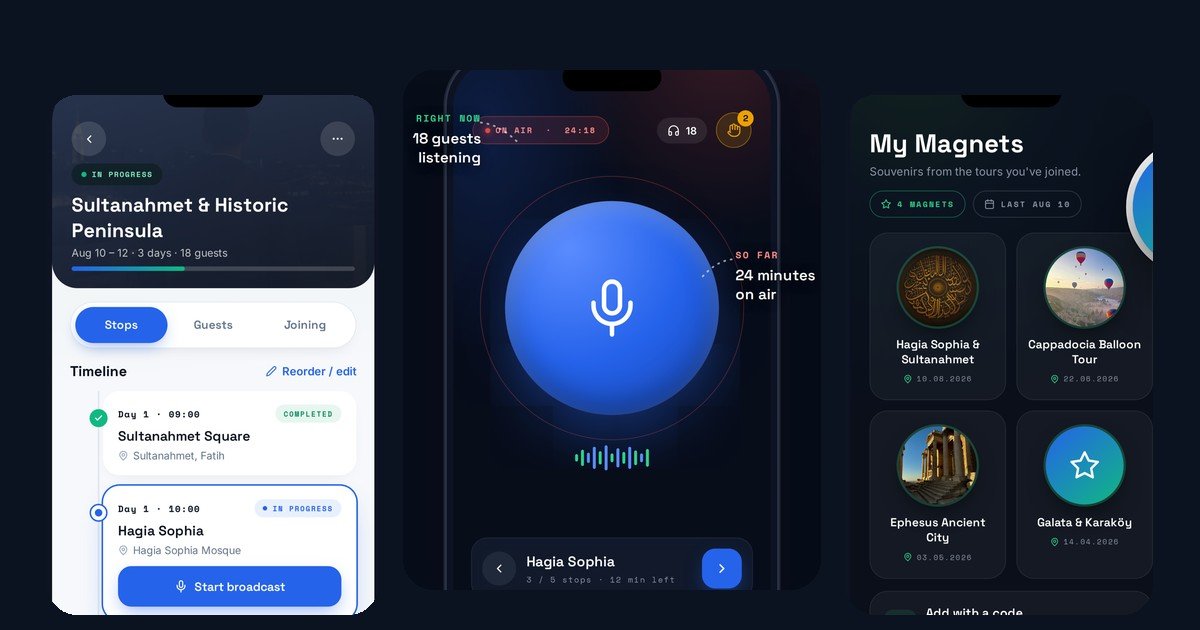
- Both broadcast modes on one tour. The guide used online broadcast, which travels over the internet, and offline broadcast, which runs on a local network created by a portable WiFi router.
- Both listening clients in one group. Some participants listened in the Your Next Tours mobile app and others opened the listening page in their phone browser after scanning the QR code.
- Three days instead of one stop. Museums, open ruins, a forest trail, a beach and an evening visit follow each other in a real itinerary, and the system has to survive all of them.
How do online and offline broadcast differ?
Online broadcast carries the guide audio over the internet through Your Next Tours servers, and participants join through a link, so a listener does not have to stand next to the group. Offline broadcast keeps the audio on a local WiFi network created by a portable router, which is what makes a tour possible where mobile data is not dependable.
| Online broadcast | Offline broadcast | |
|---|---|---|
| Where the audio travels | Over the internet, through Your Next Tours servers | Stays on the guide's local WiFi network |
| How listeners join | A join link the guide shares | A QR code on the guide's phone |
| Internet during the tour | Required | Not required |
| Live translation | Available | Not available |
| Where it fits | Places with dependable mobile data, and listeners who are not on site | Excavation sites, national parks and anywhere mobile data drops |
Where did the broadcast have to work over three days?
In every setting the itinerary produced, and the broadcast held in all of them. A three-day tour is not one acoustic problem repeated; it is a different problem every few hours, and the group is never arranged the same way twice.
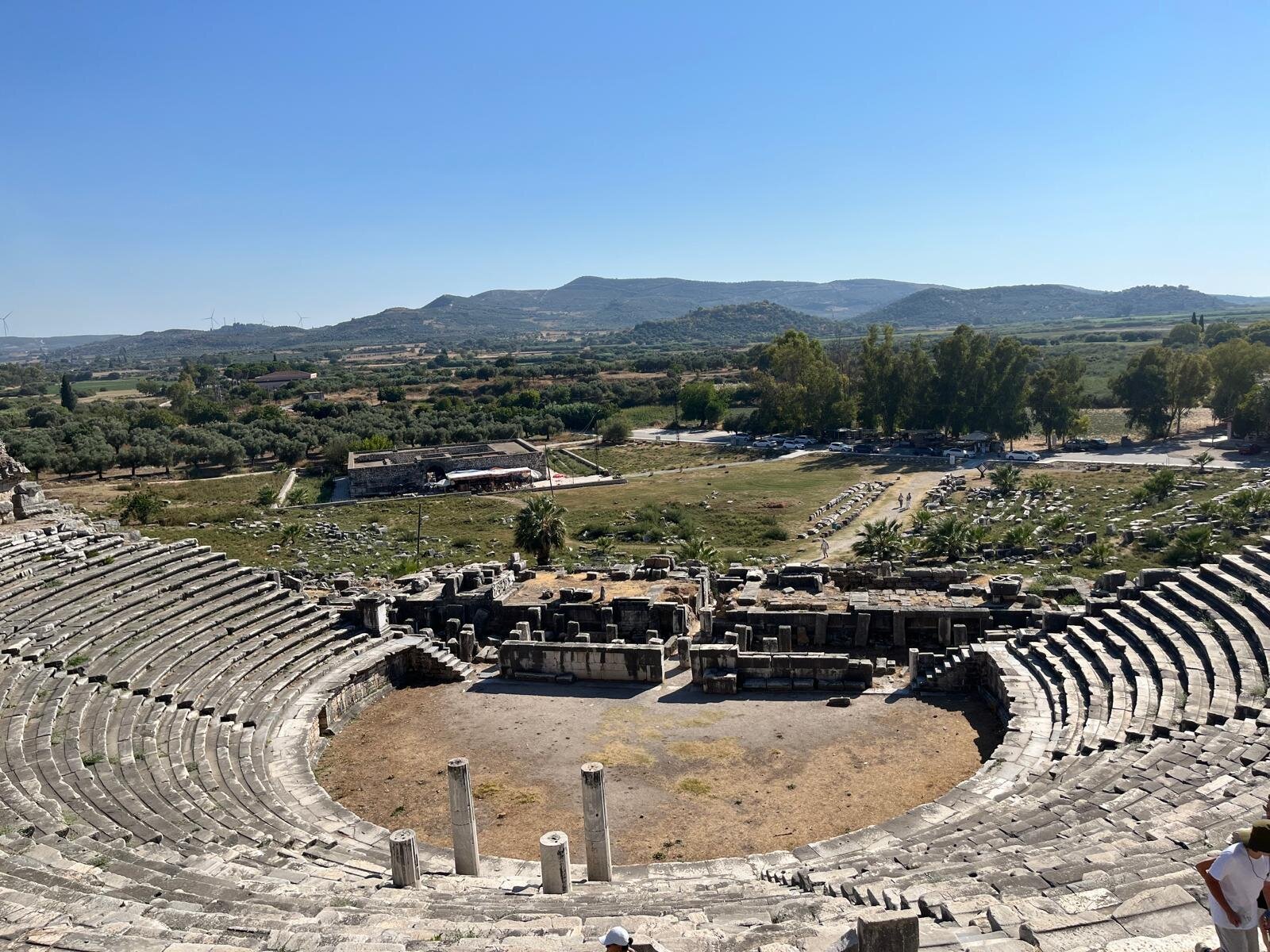
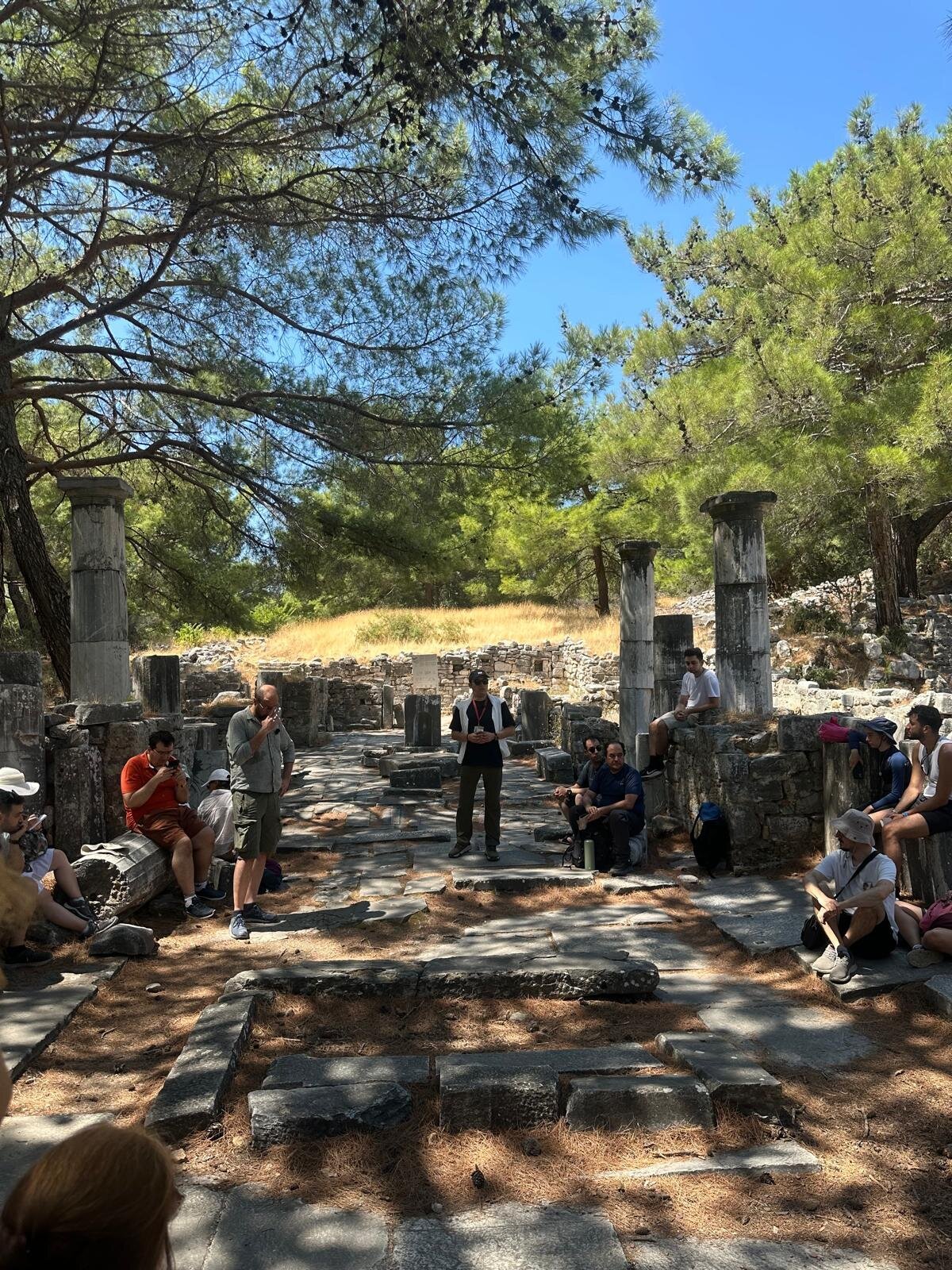
- Open archaeological sites in daylight: Ephesus, Priene and Miletus, where a group of 20 people spreads out along the ruins instead of standing in a circle.
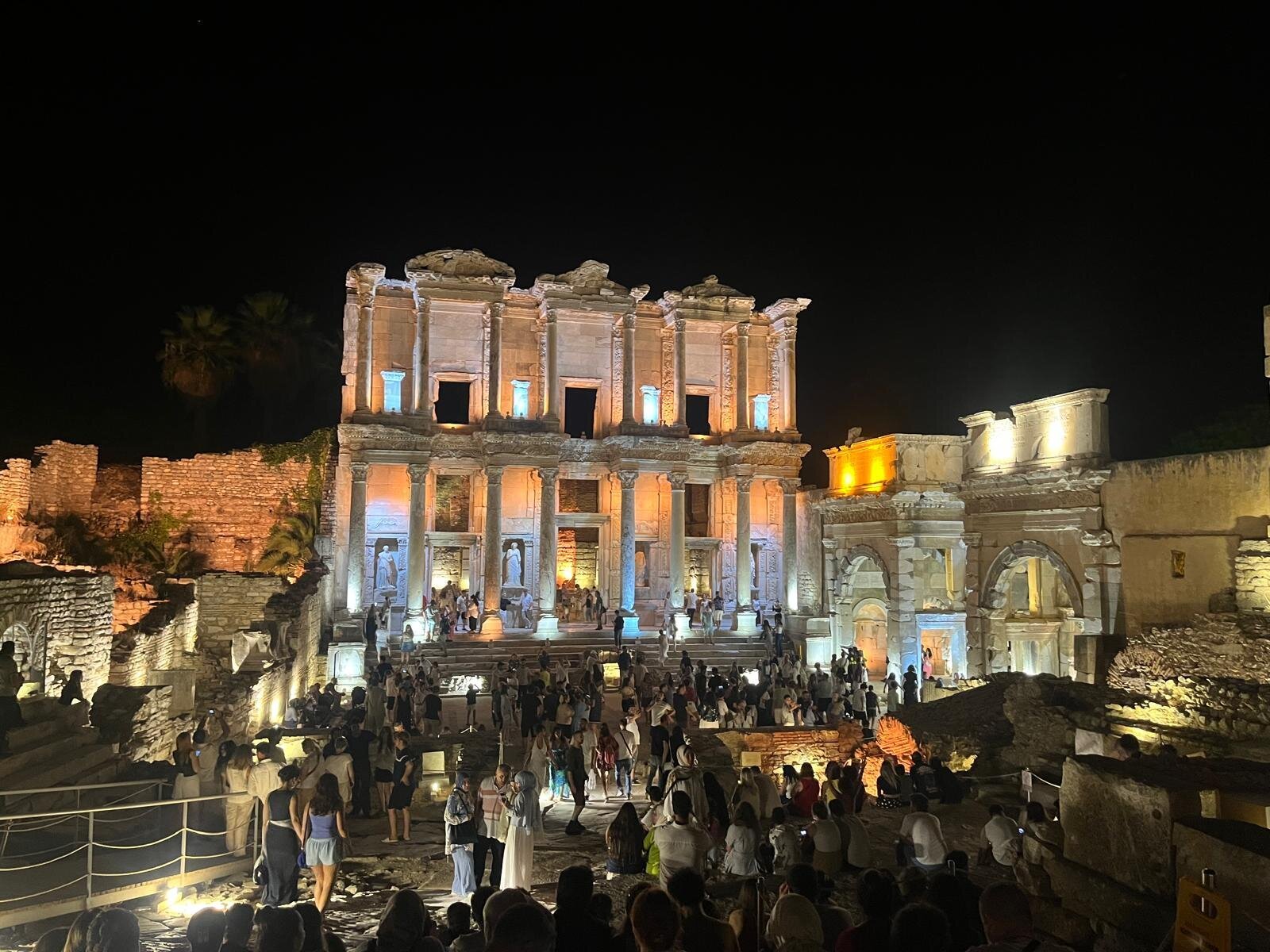
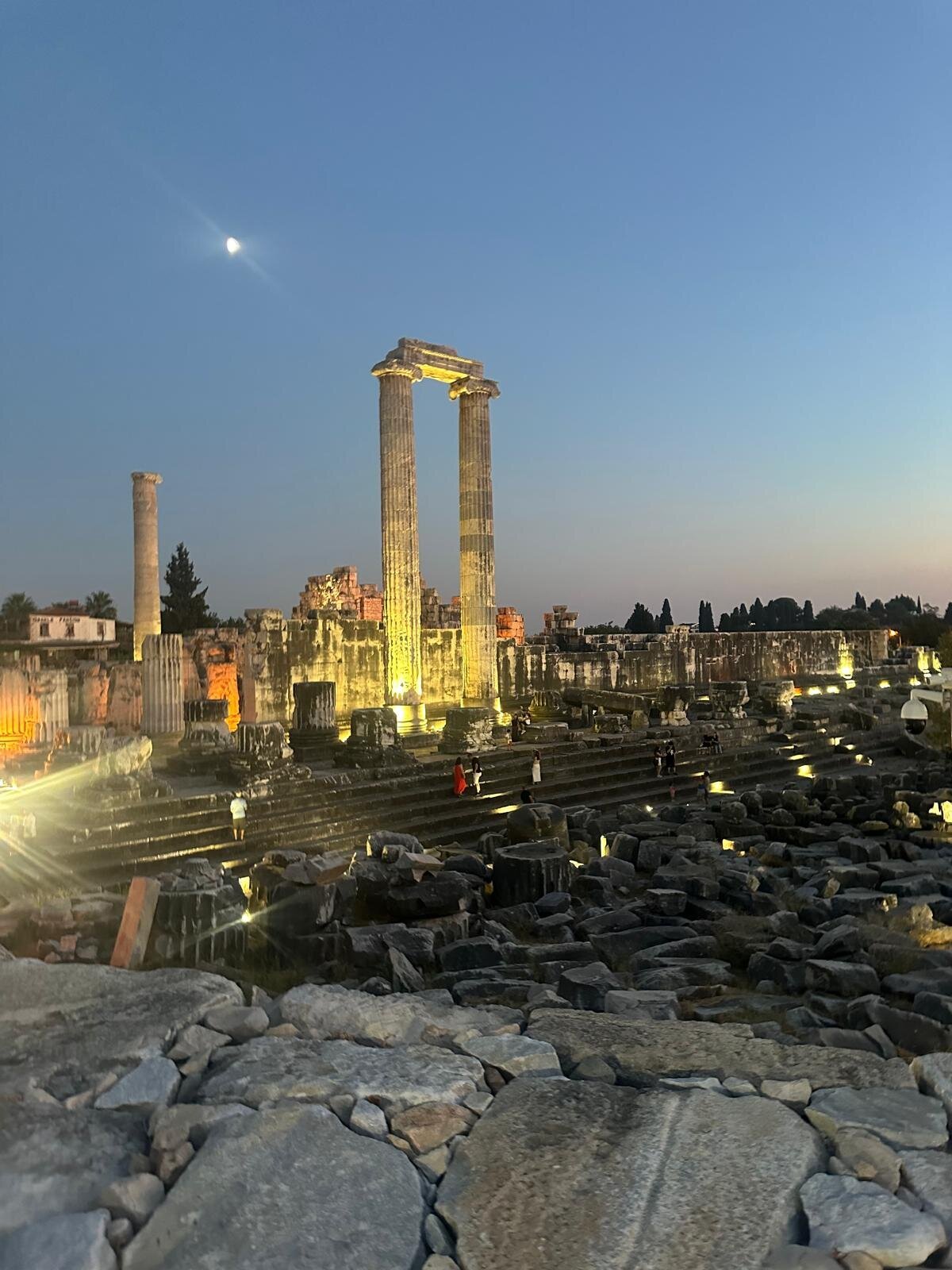
- Two sites after dark: Ephesus during the night visit and Didyma under floodlights, where the group walks lit ancient ground and the guide keeps talking while moving.
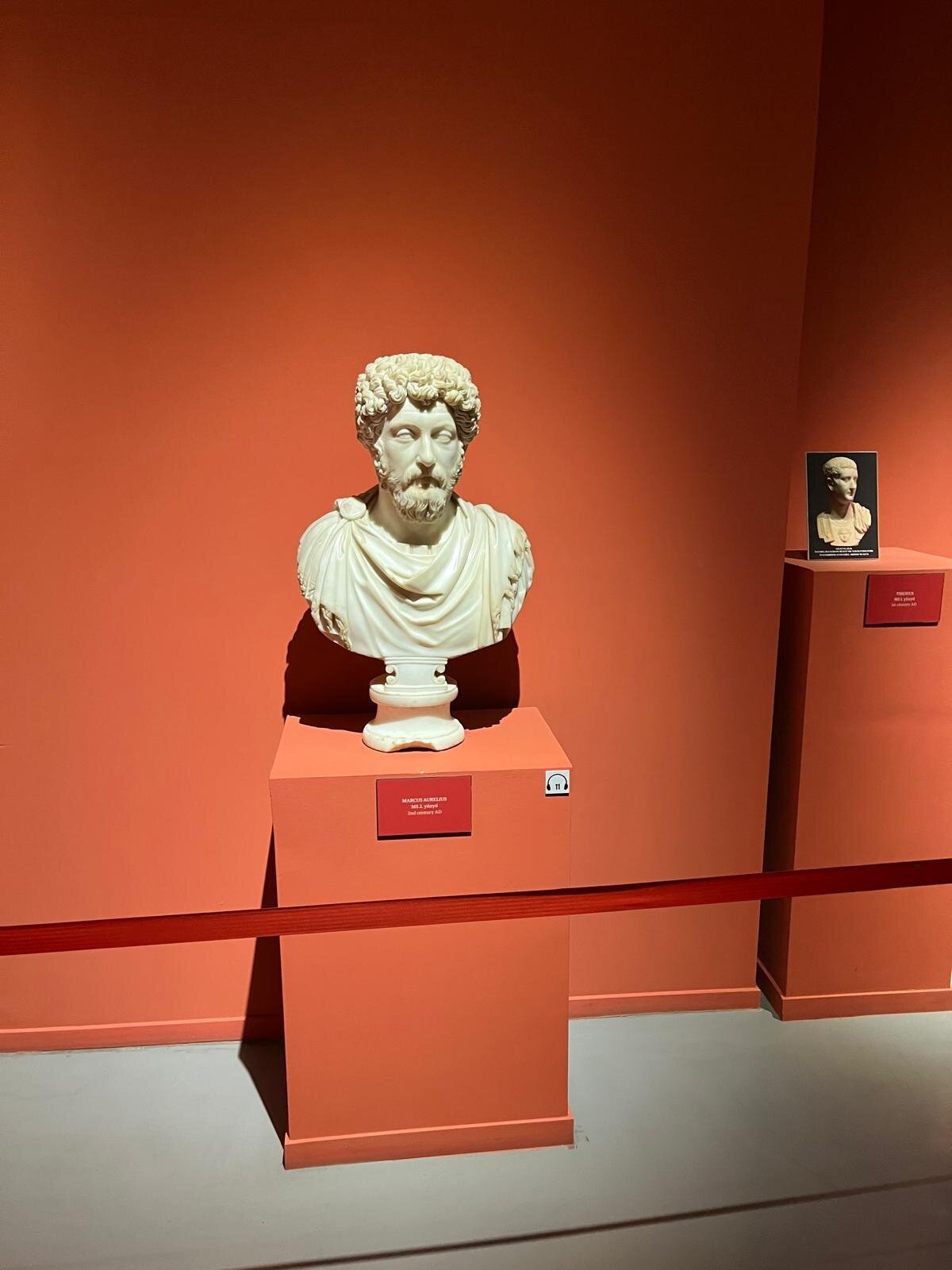
- Indoor museum rooms, where sound bounces off hard surfaces and visitors normally have to crowd around the guide to hear anything.
- A forest trail in Dilek Peninsula National Park, on a nature walk where the group stretches into a long line.
- The beach at Pamucak, for an open-air talk with wind and background noise.
- Indoor evening sessions at the hotel, including a presentation and tasting.
Which router did we carry, and how long did it last?
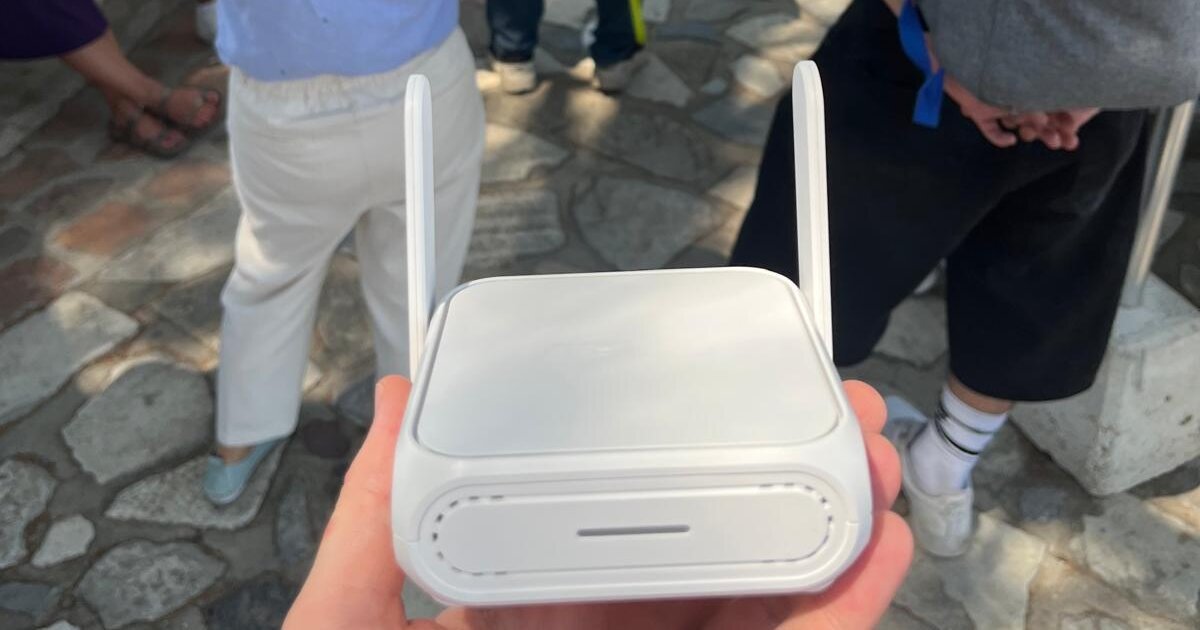
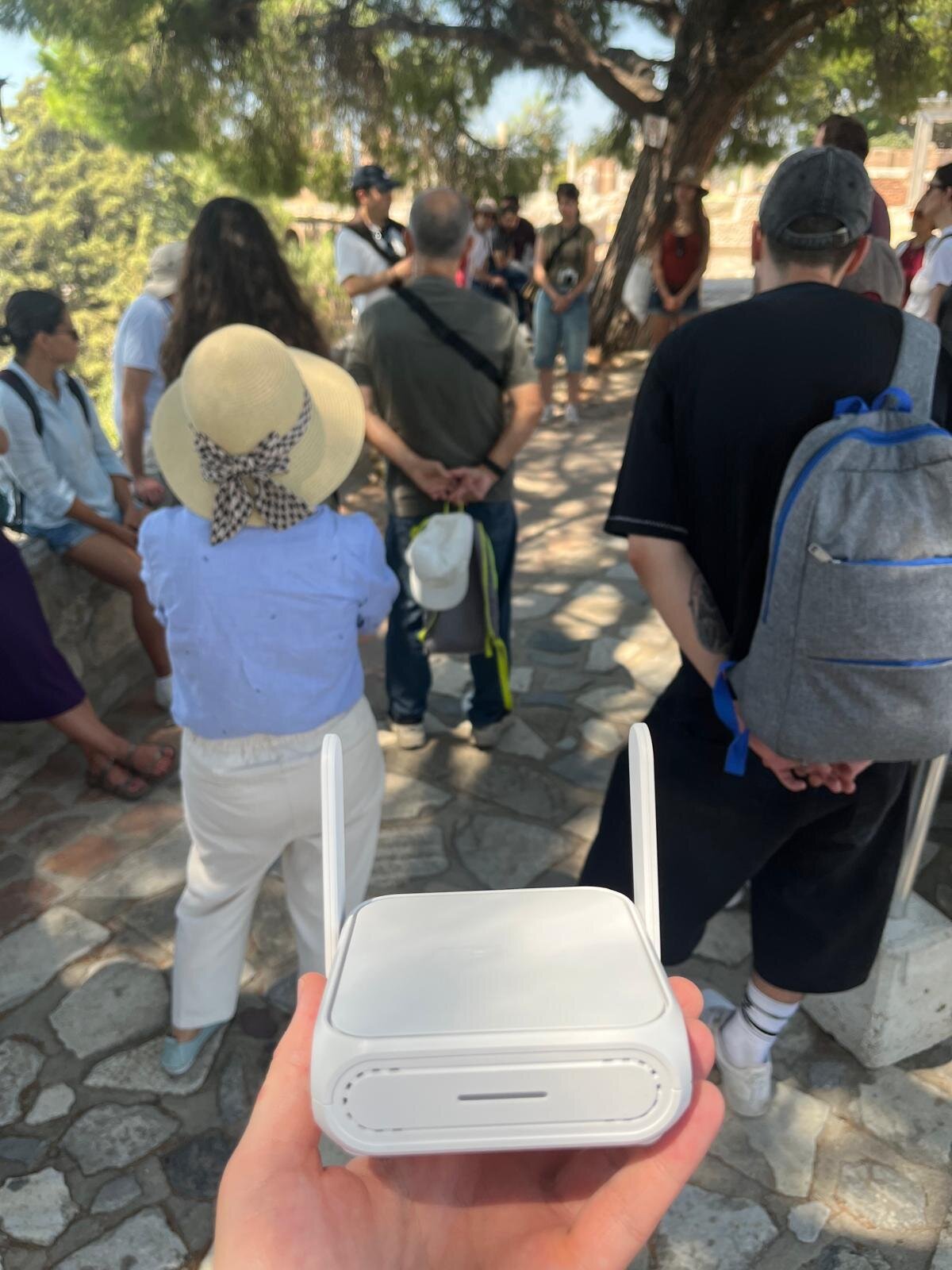
One Asus RT-BE58 GO, a WiFi 7 BE3600 dual-band mini travel router, running on a power bank. With a sufficient power bank that router stays up for more than 20 hours, so a full field day never depends on finding a socket. A spare power bank travelled with the team and was not needed.
The router is the only extra equipment in the system. Nobody rented, charged, handed out or collected a radio receiver on this tour, because every listener already carried a phone and a pair of earphones.
Did the tour need live translation?
No. This tour was conducted in Turkish and every participant shared that language, so live translation was never switched on. It stays part of the online mode for groups that do not share one language, and this test simply did not call for it.
The live audio broadcast itself is what the three days were about, and it ran without a failure the team had to work around.
Thank you to Keşfet101 and Evrim Ağacı
This second test happened for the same reason as the first one: two teams let a young product stand next to their guide, this time for three days instead of one. We thank Keşfet101 and the Evrim Ağacı team for the invitation, for their patience across a full itinerary and for their support in the field. The tour we travelled on was their Ege Felsefe ve BilimTarihi101 tour, run on their own programme from start to finish.
Frequently asked questions
Do participants need to install an app to listen?
What is the difference between online and offline broadcast?
Does a guide need a special router?
How long does the equipment last on a full day of touring?
Was live translation used on this tour?
Try it on your next tour
You already carry the hardware: your phone. See what a tour without receivers costs on the pricing page, or read the four-step flow on how it works. If you rent whisper radio sets today, the tour guide system alternative page gives the honest comparison, including what dedicated hardware still does better.