
Field test at Göbeklitepe and Karahantepe: a 40-person tour with no receivers
Summarize with AI:ChatGPTClaudePerplexityGrokGoogle AI Mode
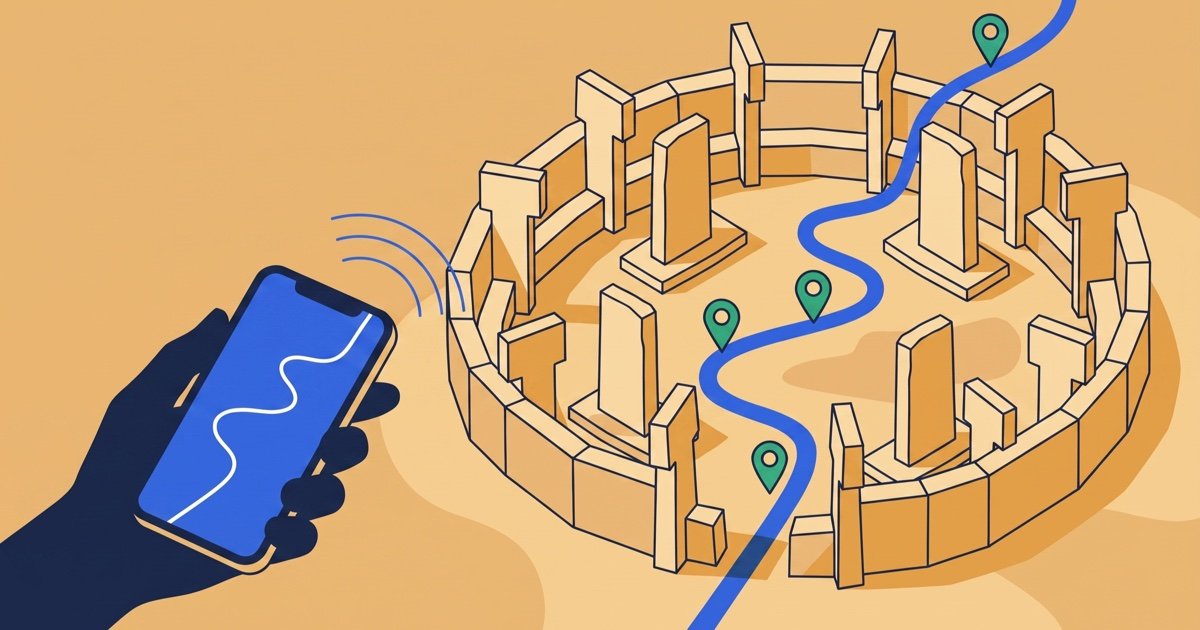
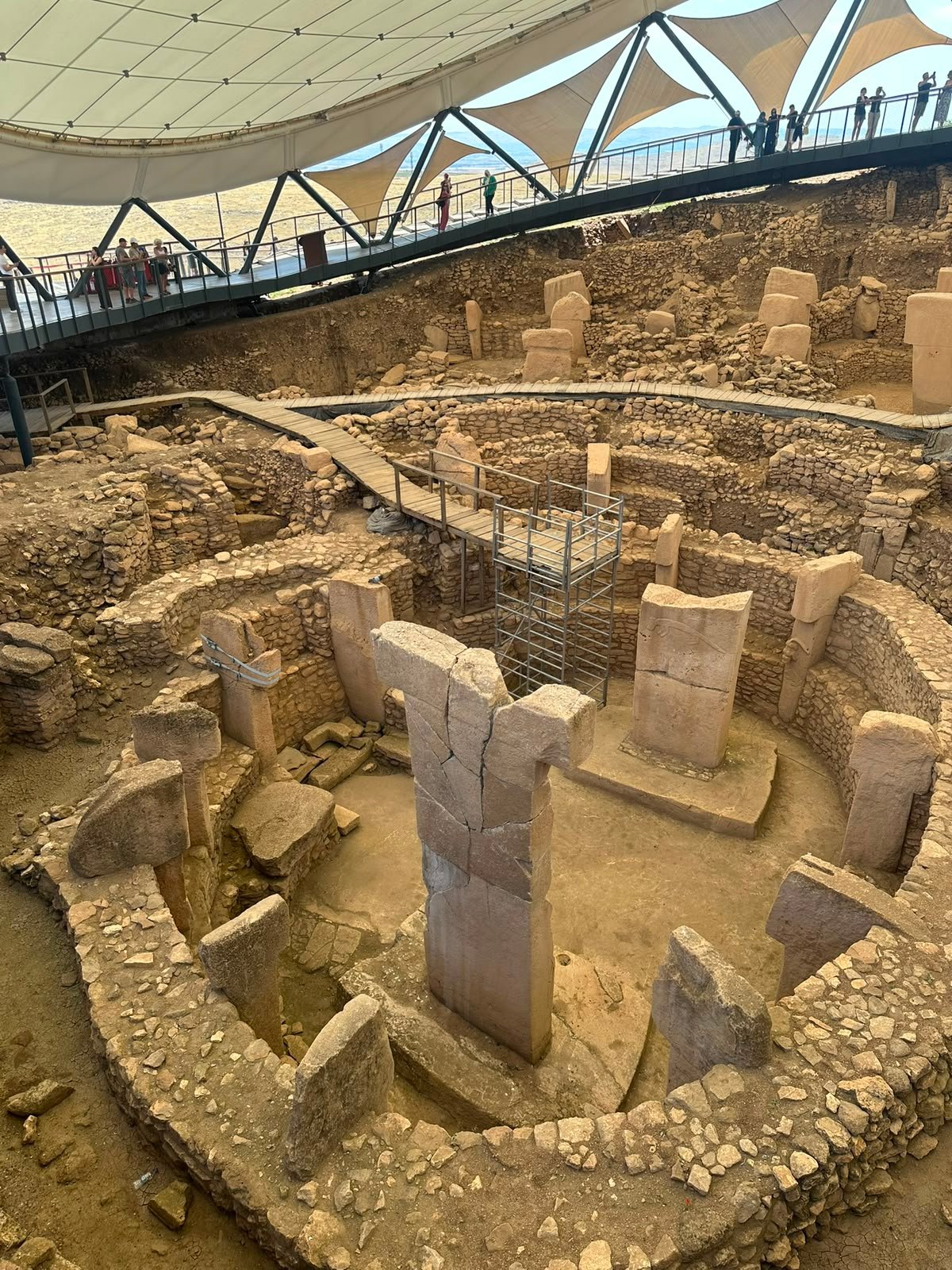
We ran the first field test of Your Next Tours at Göbeklitepe and Karahantepe, home to the oldest known monumental architecture in the world. We did not organise the tour. We were guests of the travel agency Keşfet101 and the Evrim Ağacı Ankara team on their Antropoloji101 tour, a group of around 40 people. Our job that day was narrow: find out whether a guide's phone, a small portable WiFi router and the participants' own phones are enough to replace rented radio receivers in the open field.
What were we testing at Göbeklitepe and Karahantepe?
Three claims, all of them about removing equipment. First, that a guide can build a private local network with a pocket WiFi router where cellular data is unreliable. Second, that participants need no rented receiver. Third, that they can join without installing an app or creating an account.
- A local network with no internet. The guide carries a small portable WiFi router and the guide's phone runs as the broadcast server on that network, so wide excavation areas with unstable cellular data stop being a problem.
- No hardware for participants. Nobody rents, charges, distributes or collects a radio receiver, because every listener already carries a phone and a pair of earphones.
- No app and no account. Listeners scan a QR code, the page opens in their browser, they type a name and they are in the broadcast.
Why is an excavation site a hard place to test?
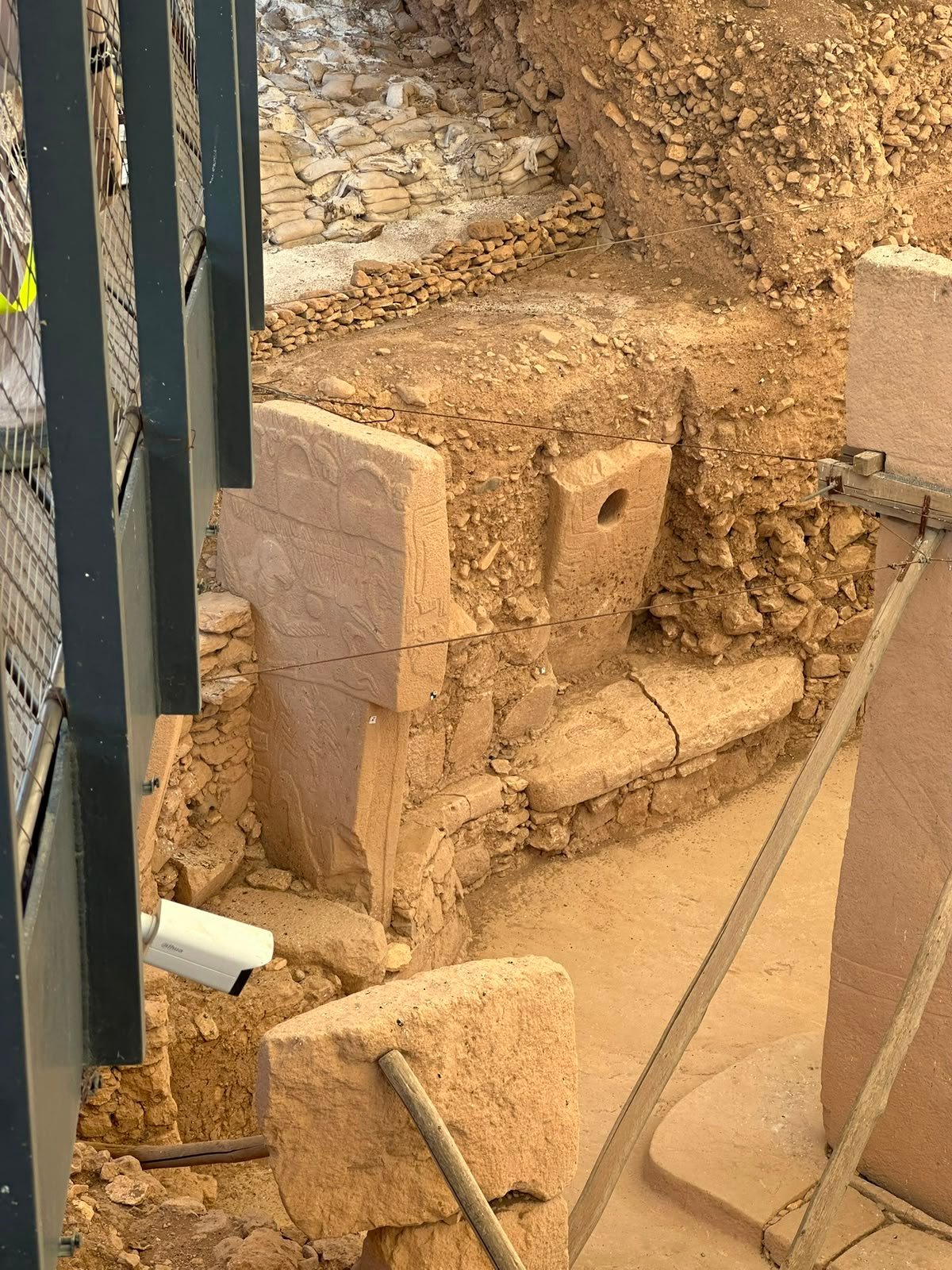
Because the two things most audio systems quietly depend on are missing. Cellular data is not stable across wide excavation areas, and there is no venue infrastructure to borrow. A group also spreads out around the enclosures, so the distance between the guide and the last listener is longer than in a museum room.
Every first test exists to find the edges of an idea, not to confirm it. Göbeklitepe and Karahantepe gave us real-world conditions that no office test reproduces: an open site, a large group, a guide walking while speaking, and people arriving with every kind of phone. The foundations of the system we run today, which broadcasts to up to 60 simultaneous listeners from a single guide phone, were shaped by what we watched happen there.
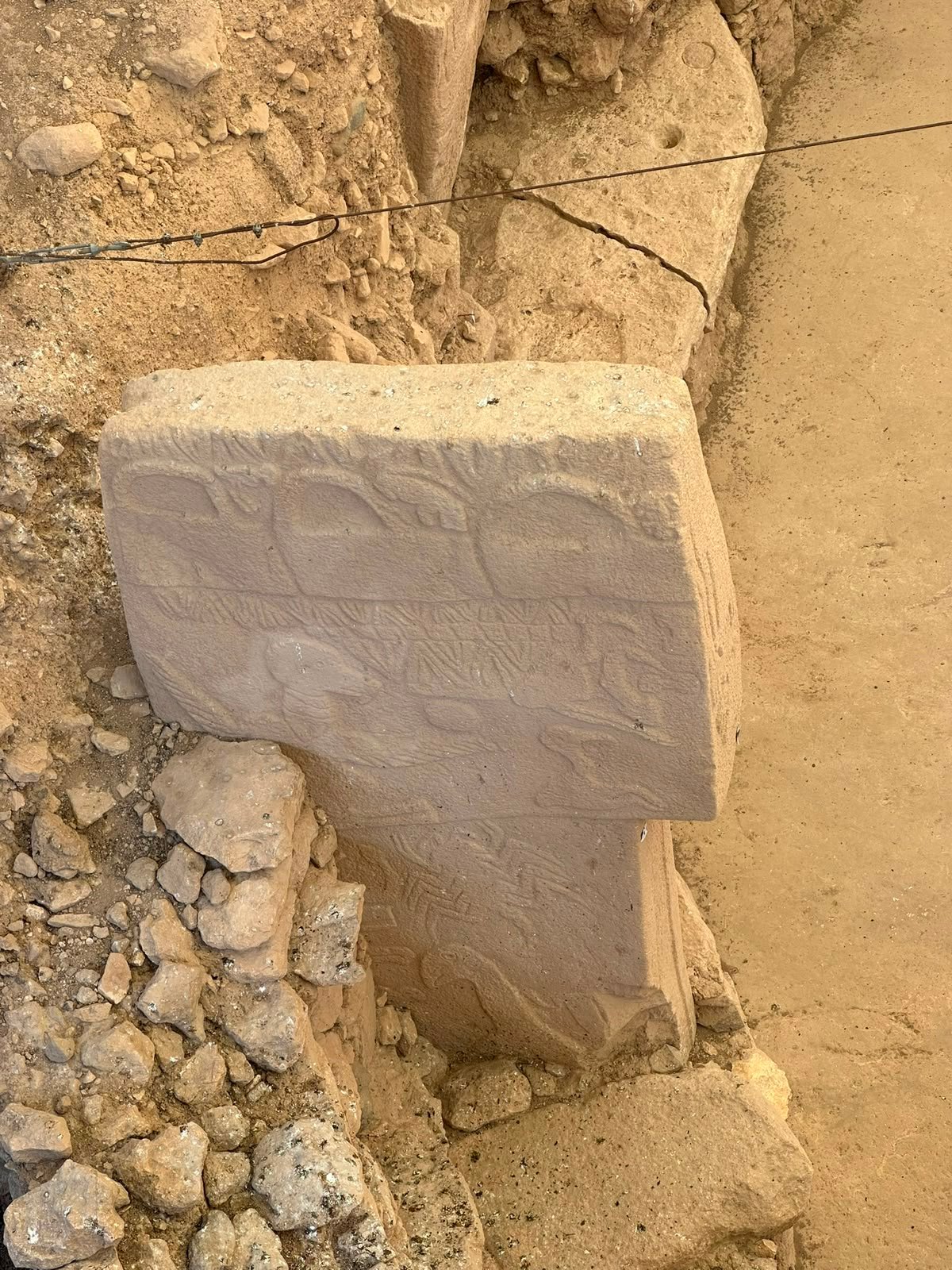
Thank you to Keşfet101 and Evrim Ağacı
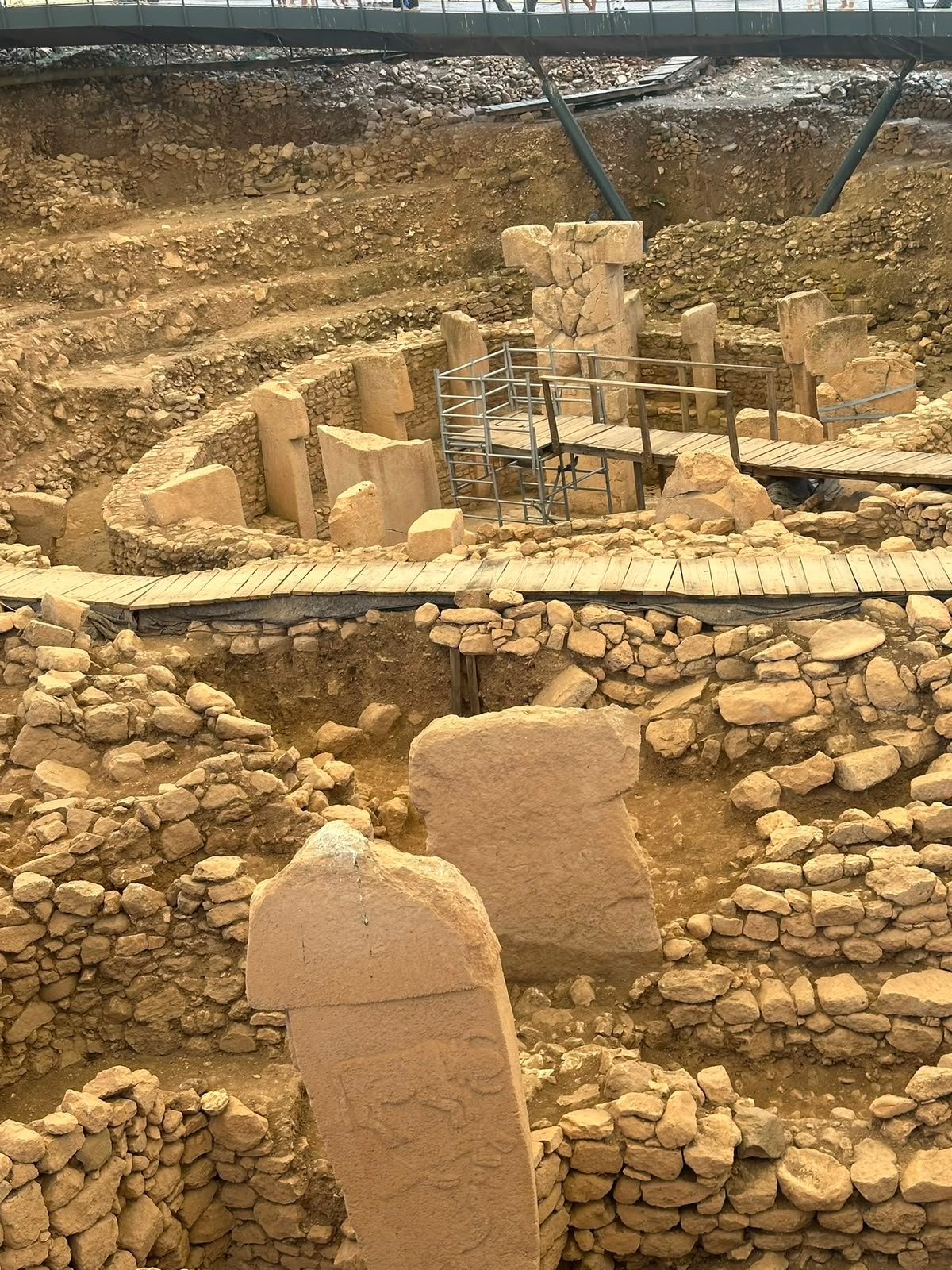
This test happened because two teams let a young product stand next to their guide for a day. We thank Keşfet101 and the Evrim Ağacı Ankara team for the opportunity, for their patience and for their support in the field. Taking technology out of the lab requires someone to open the door to a real tour, and they did.
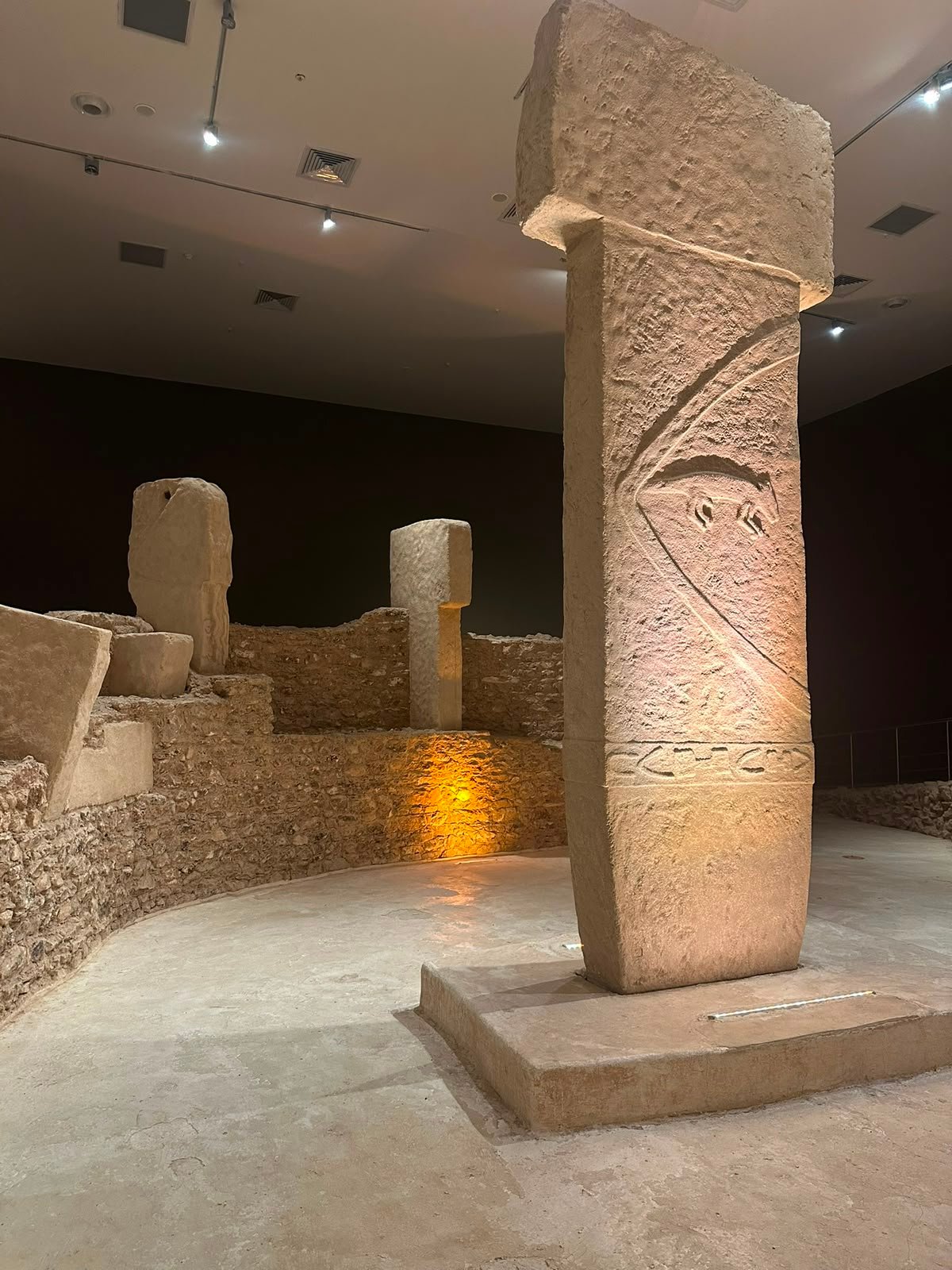
Frequently asked questions
Do participants need to install an app?
Does the system need an internet connection during the tour?
How many people can listen at the same time?
Can participants speak back to the guide?
Try it on your next tour
You already carry the hardware: your phone. See what a tour without receivers costs on the pricing page, or read the four-step flow on how it works. If you rent whisper radio sets today, the tour guide system alternative page gives the honest comparison, including what dedicated hardware still does better.