
Does a tour audio system work underground? Signal, stone and what to carry
Summarize with AI:ChatGPTClaudePerplexityGrokGoogle AI Mode
"Does it work underground?" is really two questions, and guides who buy the wrong equipment have usually answered only one of them.
The first is connectivity: does the system need the internet? The second is range: how far does its signal reach through rock. A cloud-based audio guide fails the first test at the entrance and never gets to the second. A local system passes the first and then has to earn the second.
Why do most audio guide apps stop working underground?
Because they stream from a server on the internet. Underground there is no mobile signal, so there is no route to that server, and the audio stops -- usually mid-sentence, at the worst possible moment, with forty people in a corridor.
The distinction that matters when you evaluate a system is where the audio comes from. If the answer is "our servers", coverage is a precondition. If the answer is "the guide's phone", it is not.
| System type | Needs mobile signal | Fails where |
|---|---|---|
| Cloud-streamed app guide | Yes | At the entrance |
| FM whisper radio | No | Behind rock and around corners |
| Local-network broadcast | No | Beyond the local network's reach |
Our own system is the third row: the guide's phone runs the server and the audio never leaves the site. That removes the connectivity failure entirely and leaves range as the only thing to manage.
What actually determines range below ground?
Material and geometry, in that order. Rock and packed earth absorb 2.4 GHz far more aggressively than air, and corners matter more than distance: a signal that reaches thirty metres down a straight corridor may not survive two turns.
This is why the useful mental model underground is not a radius. It is a path. Ask yourself where the group will physically be relative to the network, not how many metres away.
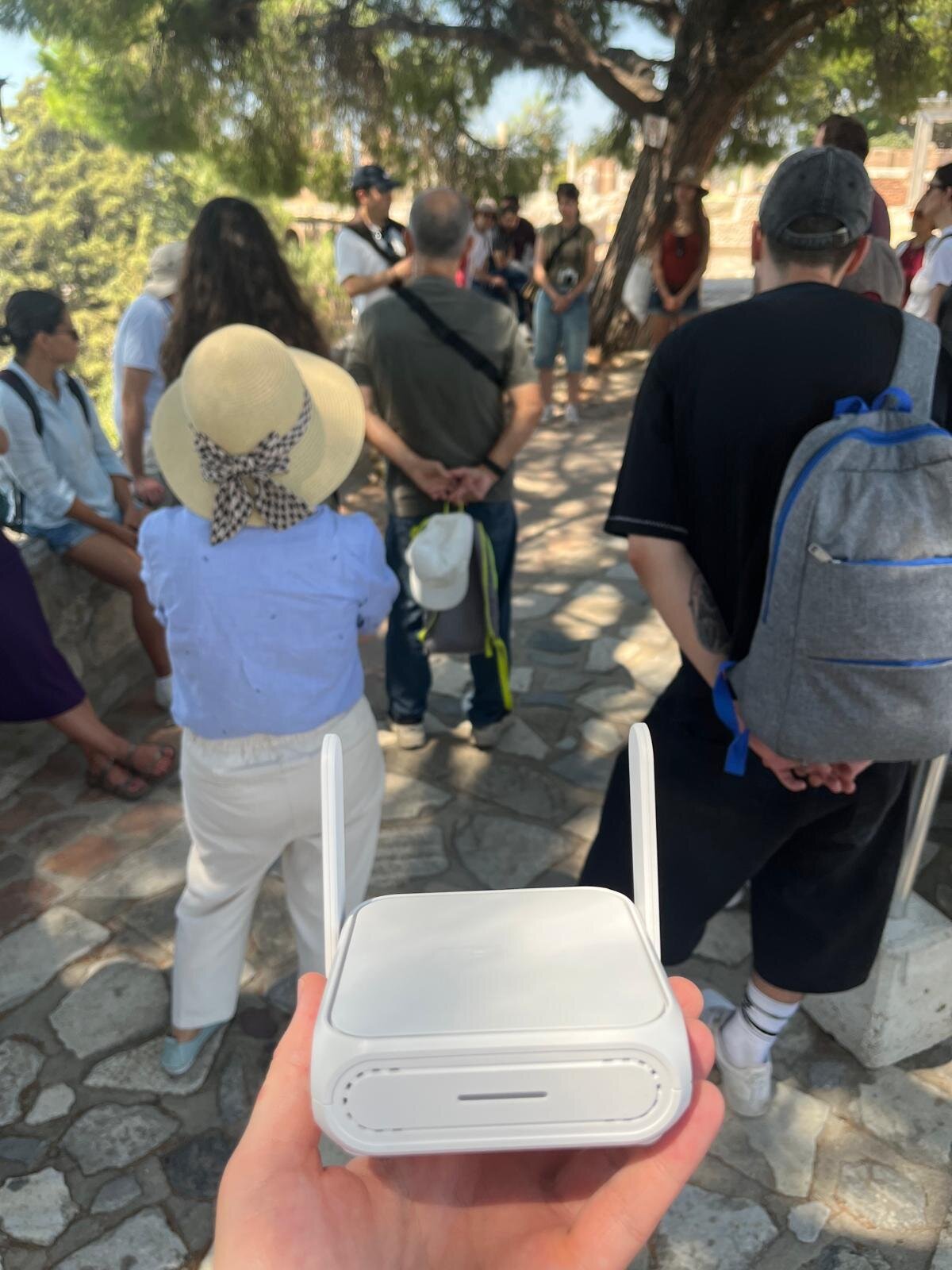
- Move the network with the group. A travel router in a bag beside the guide beats a stronger one left at the entrance.
- Place it high and central within the group rather than at the front or in a pocket against the body.
- Expect corners to cost more than metres. Two turns can matter more than twenty metres of straight corridor.
- Walk the route once before the tour if you can, watching for the point where listeners drop.
- Brief the group at the entrance for any section you already know is marginal, so a gap costs nothing.
What did we actually test?
Our field tests at Göbeklitepe and Karahantepe ran with no internet connection at all -- not degraded, absent. That validated the connectivity half: the broadcast does not notice, because the audio path never leaves the site.
The range half is honest work rather than a claim. A local network has limits and rock is unkind to it. The practical answer we arrived at is boring and effective: carry the router with the group, keep it high, and treat corners as the real budget.
Frequently asked questions
Does the system need mobile signal or WiFi at the site?
Do participants need to download an app first?
How far does the local network reach underground?
What happens if a listener walks out of range?
Is a travel router required?
Take the network with you
If your sites include underground cities, rock-cut churches or long covered passages, the first thing to check is whether your audio depends on the internet. See how the broadcast works -- the guide's phone is the server, and nothing leaves the site.
Sources
Connectivity behaviour describes the Your Next Tours system as shipped in 2026: audio is encoded on the guide's phone and served over a local network. Offline operation was verified at Göbeklitepe and Karahantepe with no mobile coverage. Photograph is our own. Range figures are deliberately not published because they depend on site geology and layout.
Places in this post
Related articles
 GuidesHeadsets are mandatory for Florence tour groups of more than eight (2026)
 GuidesYour group has scattered across a site. Now what?
 GuidesHow do you guide a group that does not share a language?
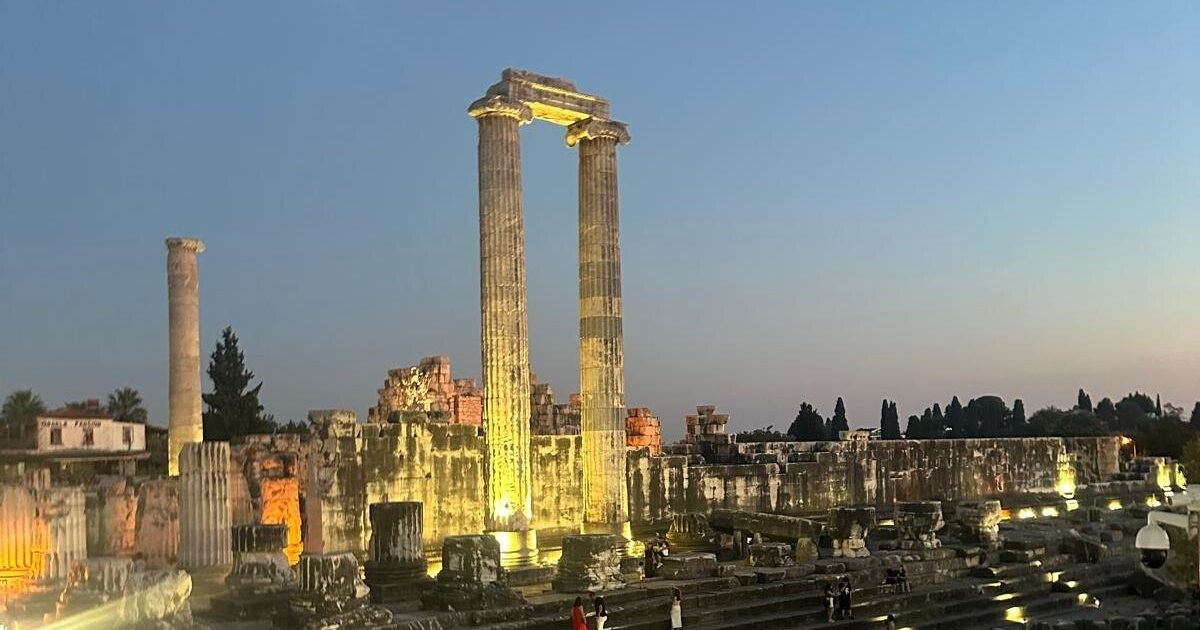 GuidesHow do you make a guide's voice heard in wind? What actually gets lost
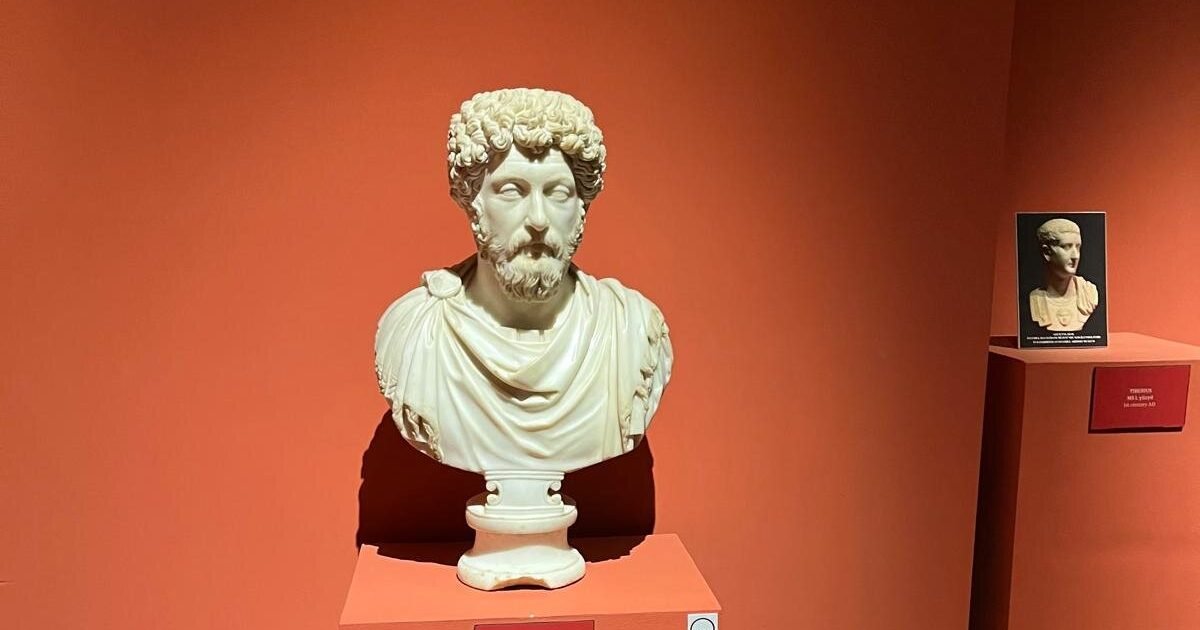 GuidesCan a guide narrate out loud inside a museum? What the rules actually restrict
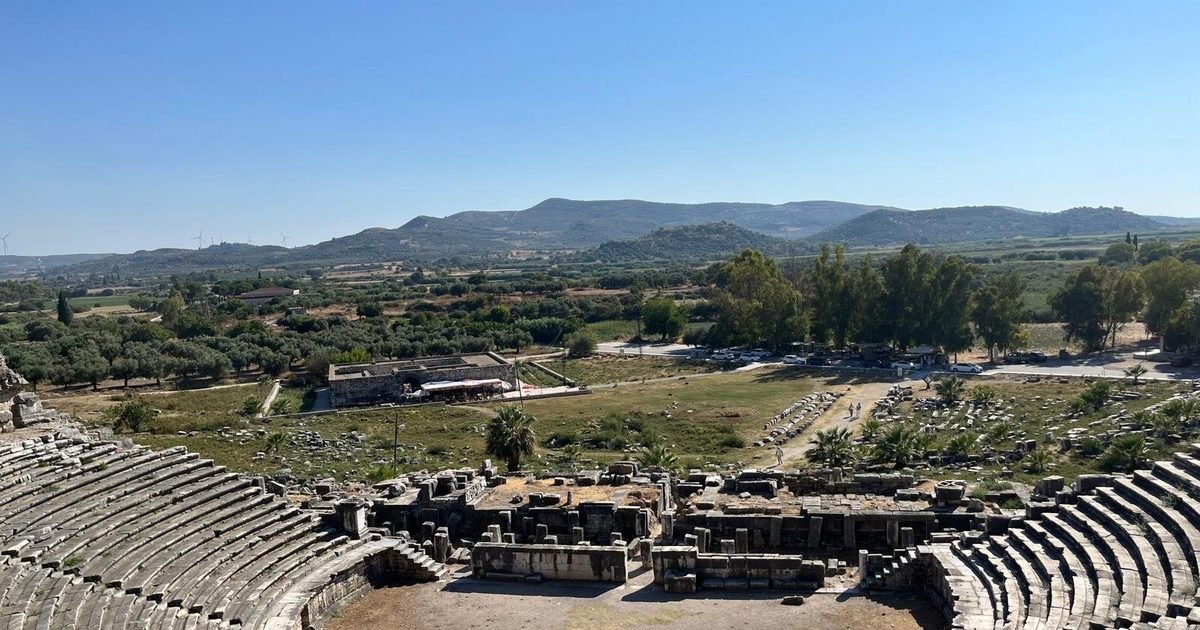 GuidesHow to guide a 40-person group through an archaeological site in 2026