Roman
Destinations and posts tagged Roman: field notes for tour guides on walking order, timings, group logistics and acoustics.
9 destinations
MuseumBergama MuseumThe stop that answers the question the acropolis leaves open. It holds the model of the Zeus Altar — which is the closest a group will get to the thing that is in Berlin.
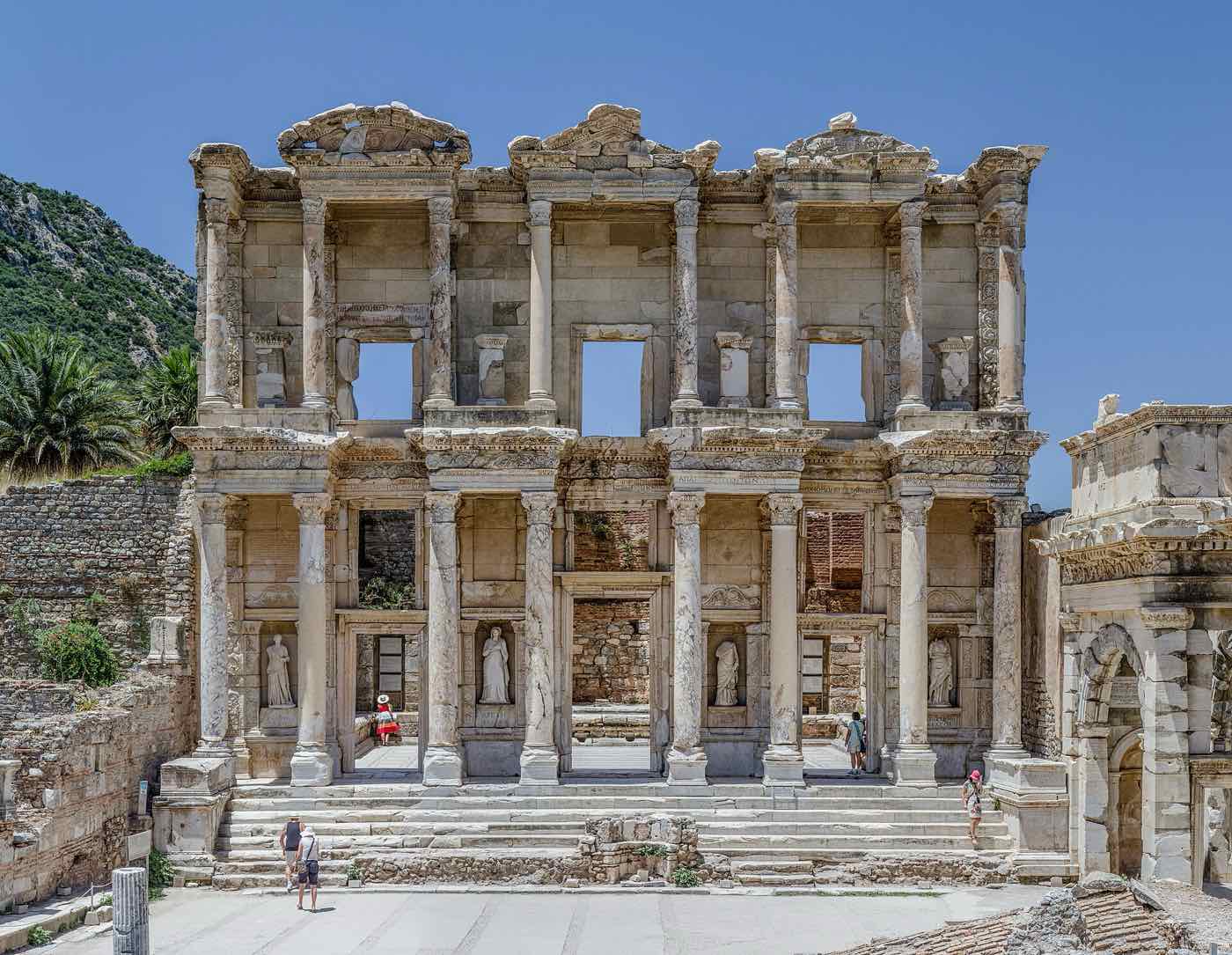
Ancient cityEphesusThe best preserved classical city on the Mediterranean, and one of the hardest places in Türkiye to be heard in. A working guide's read of the site: the walking order, where groups lose the thread, and what the acoustics actually do.
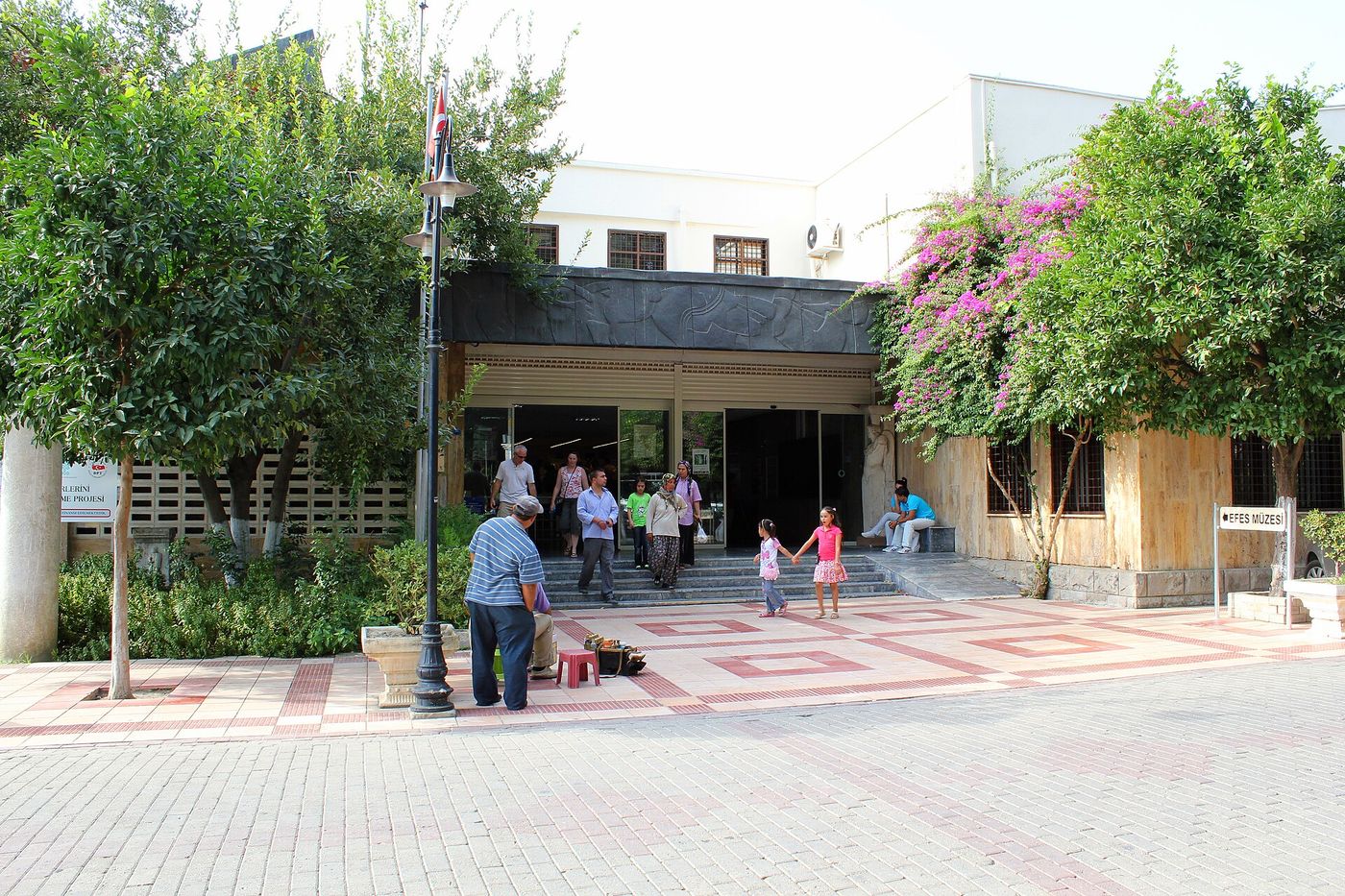
MuseumEphesus MuseumThe half of Ephesus that was carried indoors. It is also the one stop on an Aegean day where the room, not the distance, is what stops your group from hearing you.
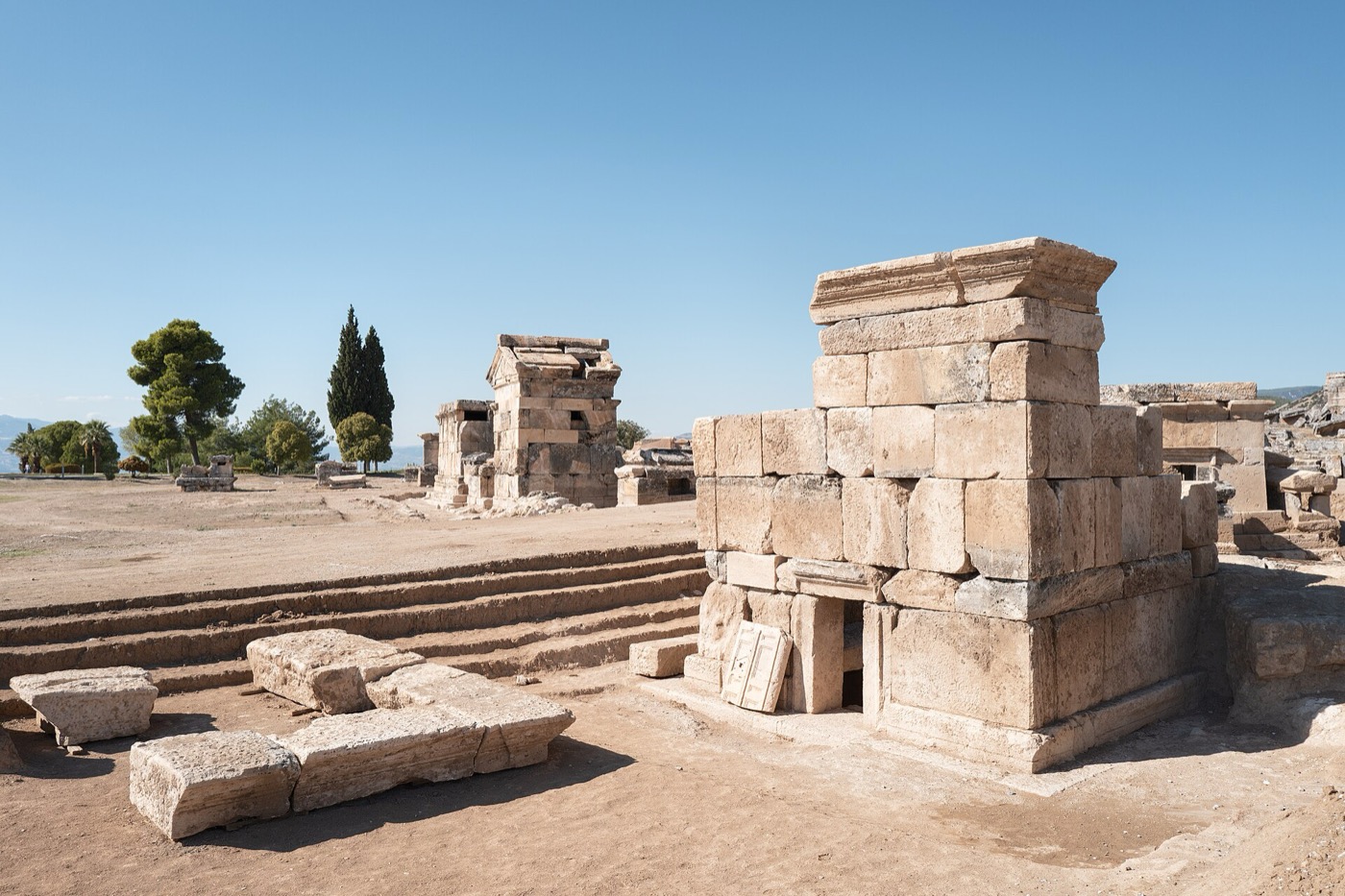
Ancient cityHierapolis and PamukkaleTwo sites on one ticket, and they pull a group in opposite directions. The terraces are a barefoot walk with no shade; the ruins are a 1.6 km ancient city on a slope above them.
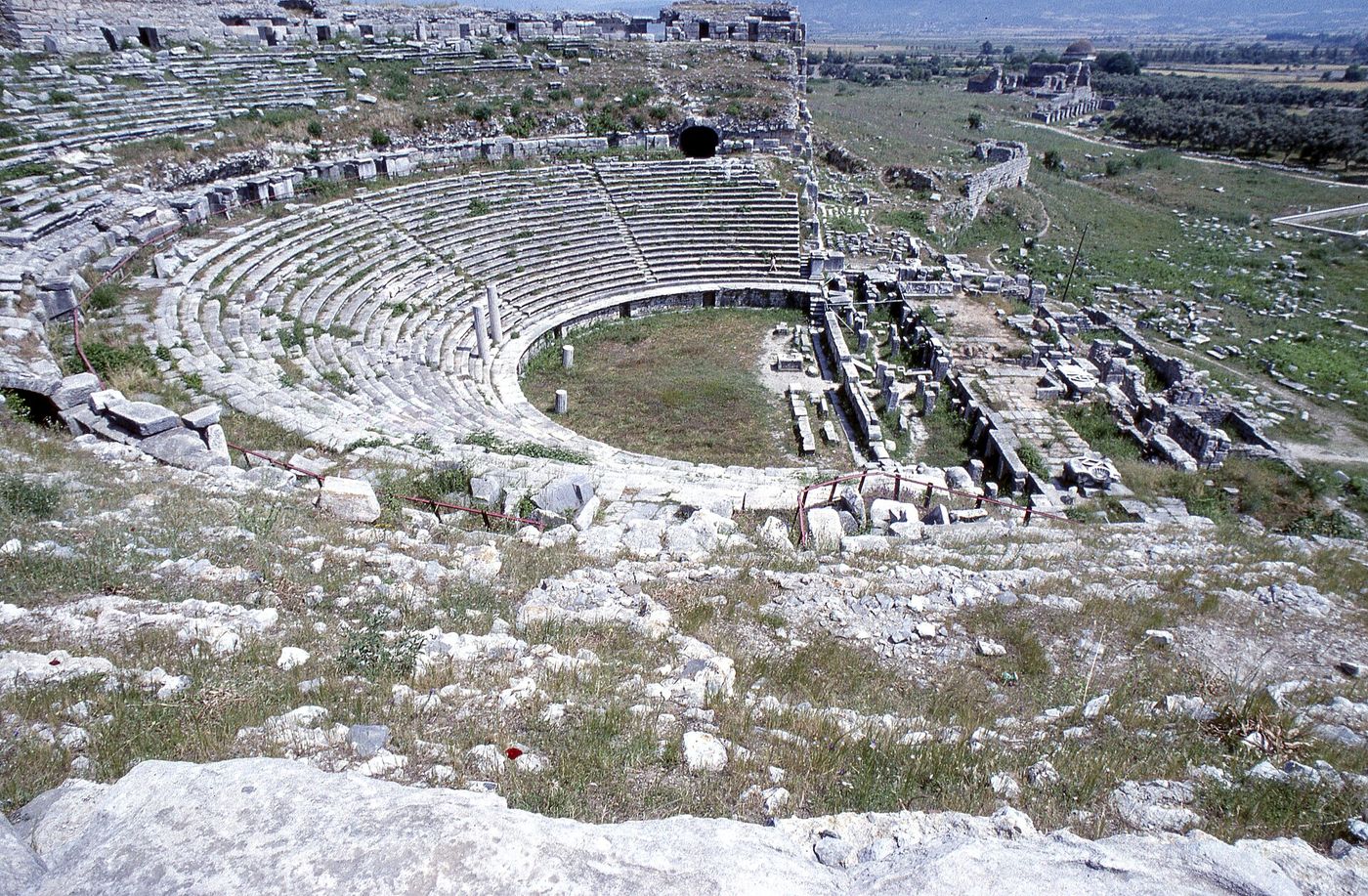
Ancient cityMiletusIonia's richest harbour city now sits eight kilometres inland: a wide, flat, shadeless site where a group spreads out within minutes, and one theatre where it does not.
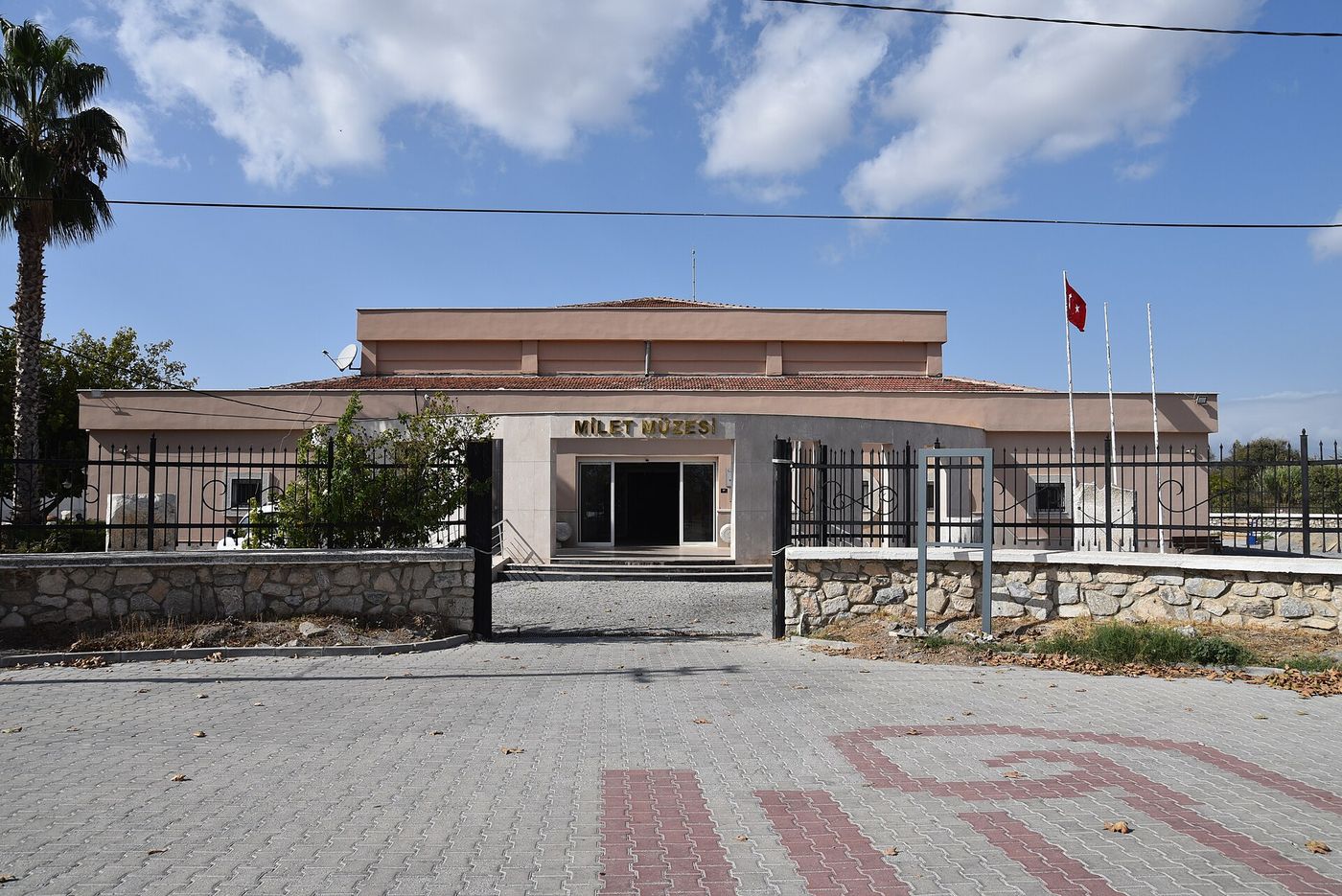
MuseumMiletus MuseumOne small building holding the finds of three cities. It is the shortest stop of a Miletus–Priene–Didyma day and the only one where the whole route finally sits in one room.
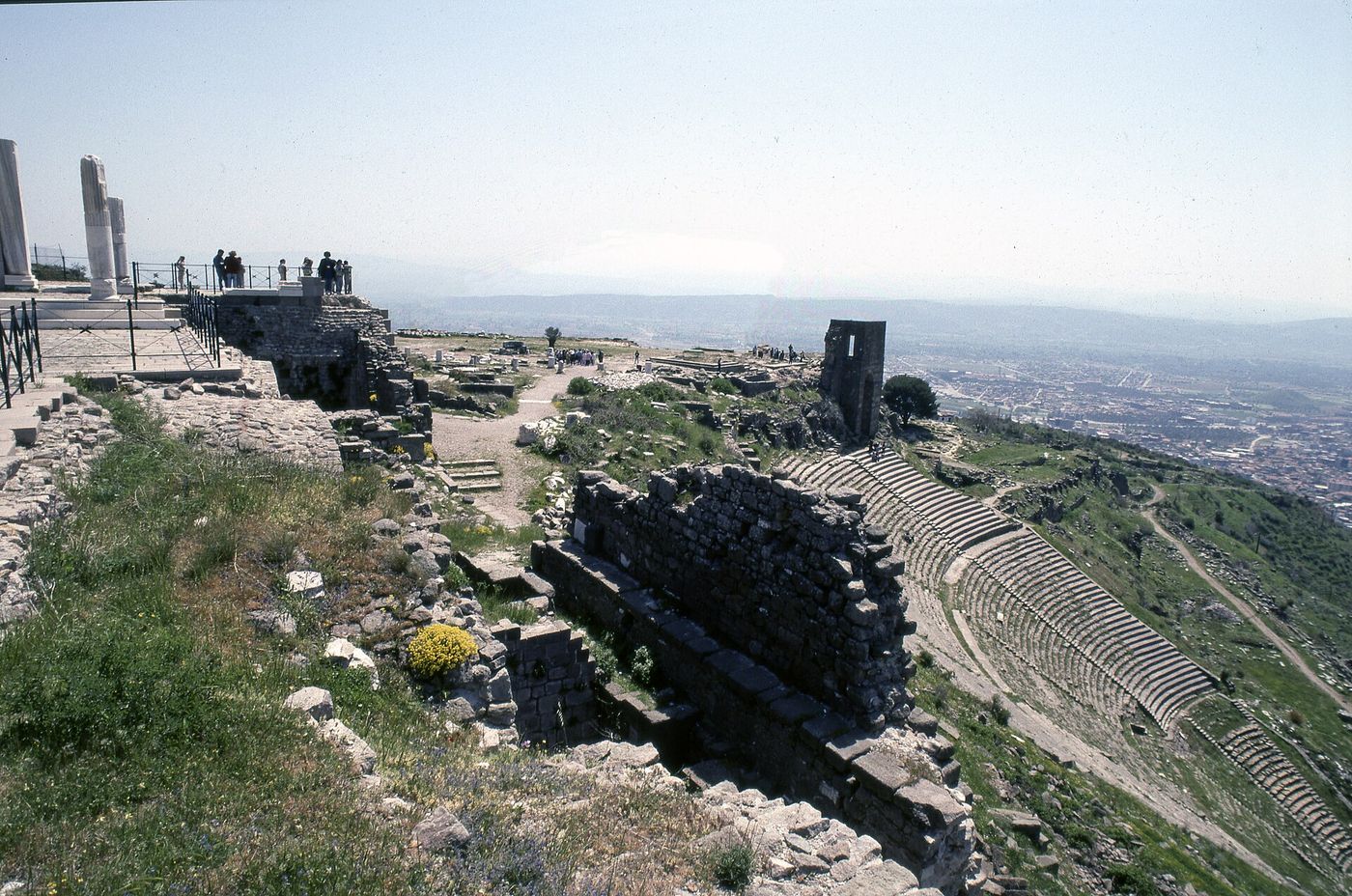
Ancient cityPergamon AcropolisA capital built on a cone. Everything worth seeing is on a different terrace from everything else, and the group is always either above you or below you.
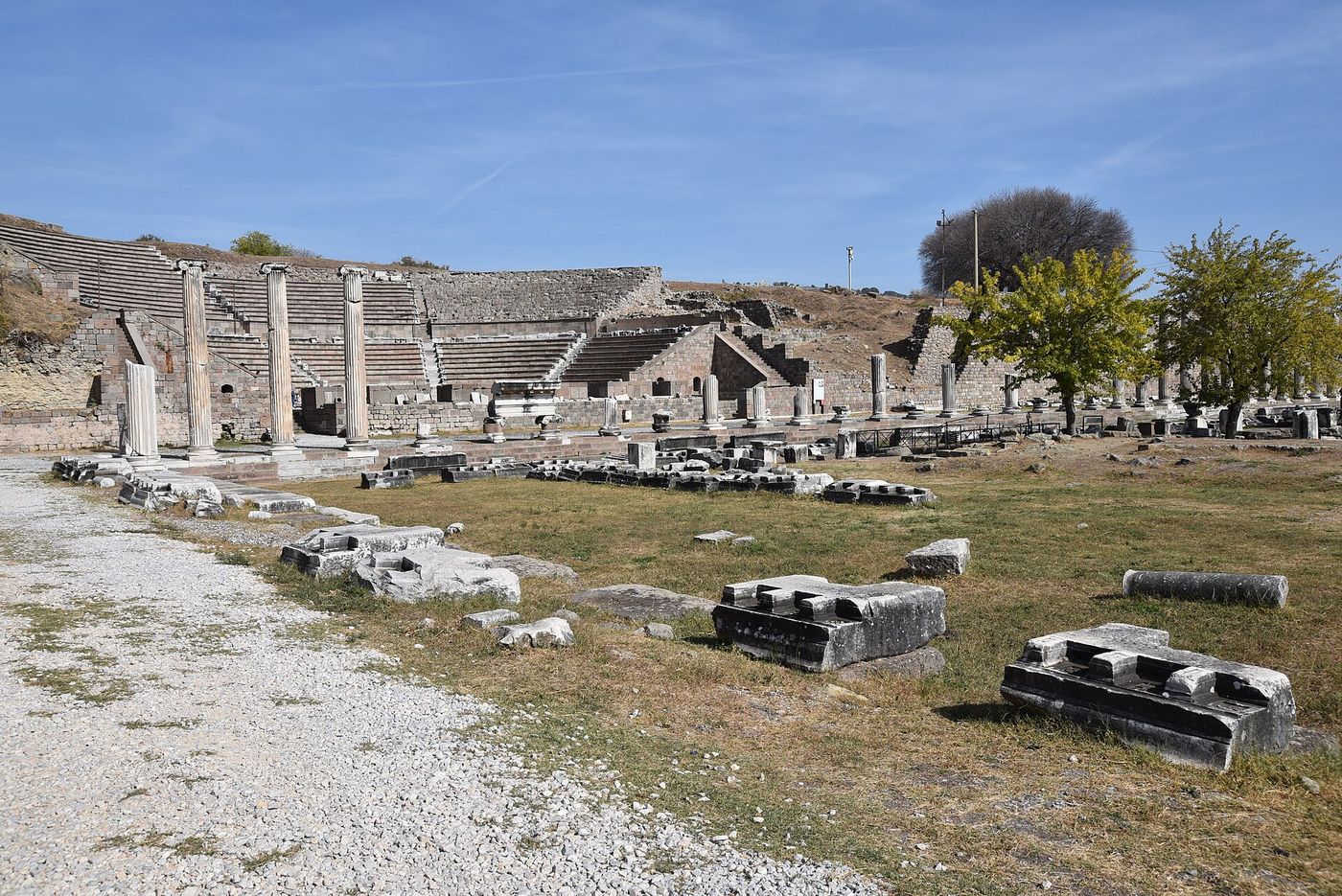
Ancient cityPergamon AsklepionThe ancient world's most famous hospital, and the easiest ground in Bergama to guide on. After the acropolis it is flat, enclosed and forgiving — which is exactly why it should not come first.
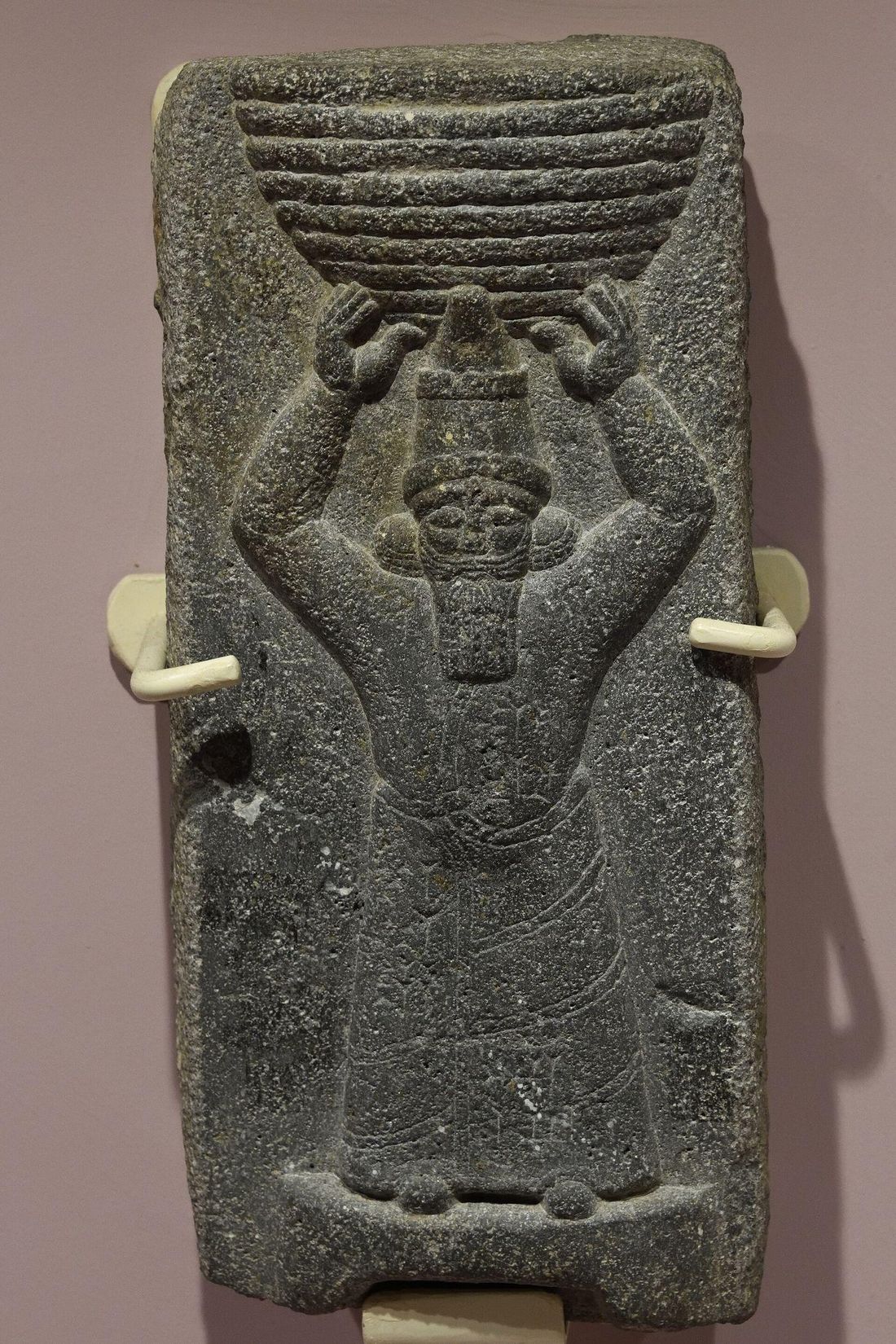
MuseumŞanlıurfa Archaeology and Mosaic MuseumThe other half of a Göbeklitepe day. The excavation shows you where the pillars stood; this is where you can actually look at them.