
Where tour groups cannot use their own headsets or a phone based system (2026)
Summarize with AI:ChatGPTClaudePerplexityGrokGoogle AI Mode
Some of the world's most visited museums and churches will not let a group use its own headset system, and a phone based system like Your Next Tours is no exception. Knowing which ones before the season saves a refused group or an unbudgeted rental. This list sorts them by type of rule, as checked on each institution's own website on 2 October 2026.
Why can't you use your own headset system everywhere?
Because some institutions run the listening themselves. They rent their own sets, ban apps or phones, or ban earphones outright, usually to control noise, security or crowds. There, neither rented whisper receivers nor a phone based system can be used inside.
| Rule type | What the text does | Examples |
|---|---|---|
| Site's sets only | Requires or rents its own headsets | Notre-Dame, Vatican Museums, Prado |
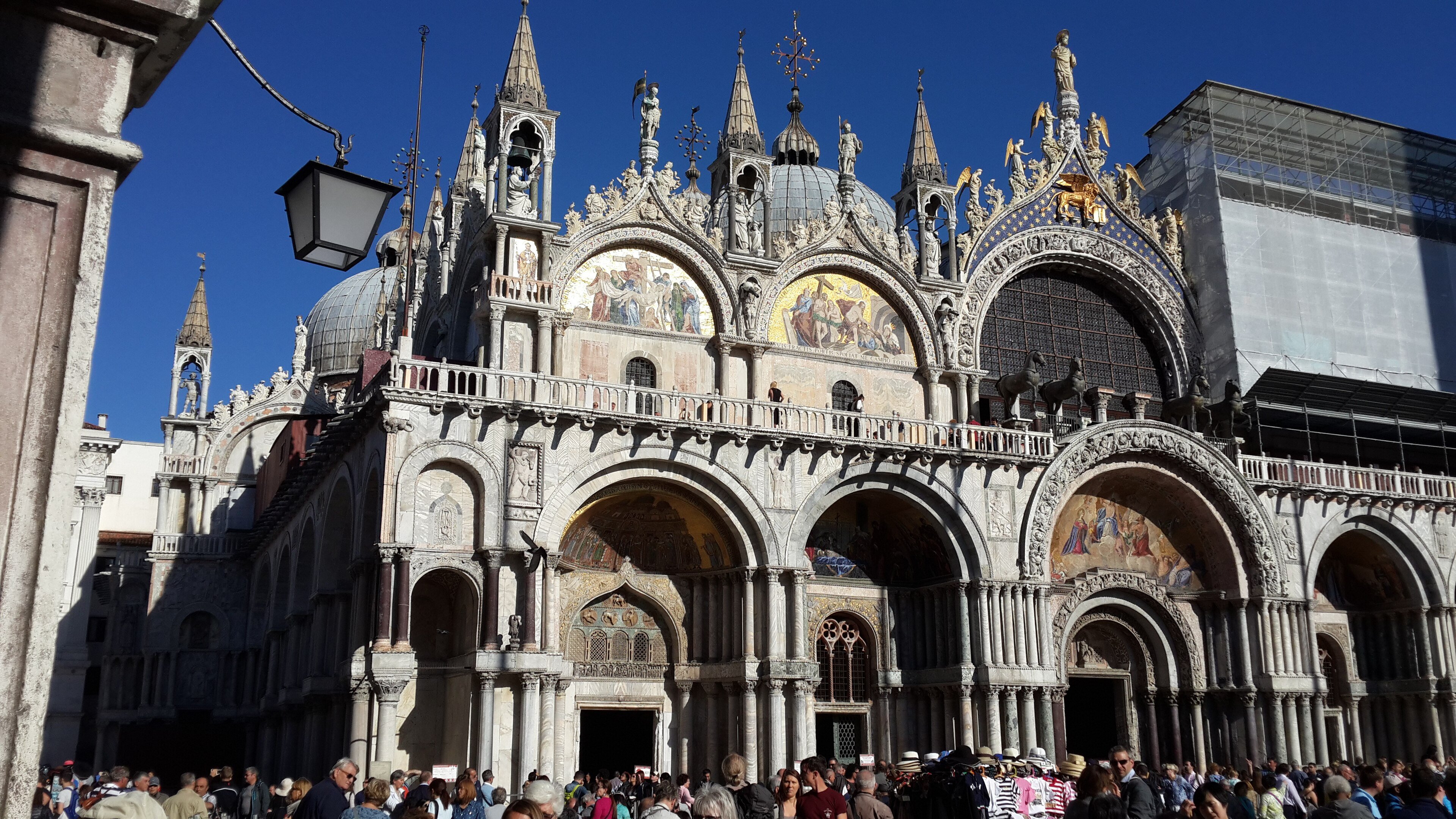
| Apps banned | Bans audio guides as apps | St Mark's, Auschwitz-Birkenau |
| Phones banned | Phones off or handed in | Toledo Cathedral, Akasaka Palace |
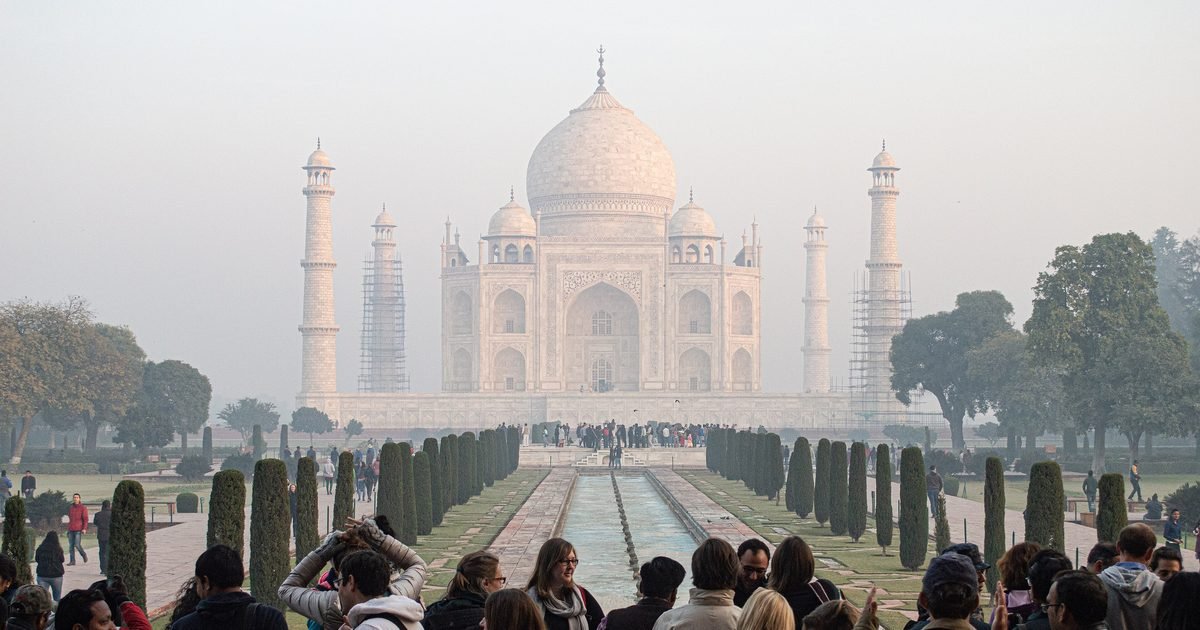
| Headphones banned | Earphones are prohibited items | Taj Mahal, Kenninji, Nanjing Museum |
| No outside narration | Site's guides or silence only | Sistine Chapel, Neuschwanstein |
Where must groups use the institution's own headsets?
At these sites a guided group must use the institution's equipment, usually for a fee. The Vatican Museums, Notre-Dame, Santa Maria Maggiore and Yad Vashem exclude other systems in writing; elsewhere the site's set comes with the group booking.
| Site | Rule applies from | What the group must use |
|---|---|---|
| Notre-Dame de Paris | Any tour by an outside guide | Cathedral's headsets, EUR 25-45 per group |
| Vatican Museums | 11 participants | Museums' GROUP TOUR sets |
| St Peter's Basilica | 5 visitors | Basilica's receivers |
| Santa Maria Maggiore, Rome | 8 people | Concessionaire's earpieces |
| Galleria Borghese, Rome | 5 participants | Rental in the group price |
| Musée d'Orsay, Orangerie | 7 plus the speaker | Museums' audiophones |
| Prado, Madrid | Every group | Museum's system |
| Sagrada Família, Barcelona | 11 people | Basilica's transmitter-receivers |
| Yad Vashem, Jerusalem | Every guided tour | Yad Vashem headsets only |
| National Palace Museum, Taipei | 10 people | Museum's group audio system |
| National Palace Museum, Chiayi | 10 people | Museum's group audio set |
| Chimei Museum, Tainan | 10 people | Museum's set |
Which sites ban apps or phone based audio guides?
St Mark's Basilica in Venice and the Auschwitz-Birkenau Memorial ban audio guides in app form. We read both bans as covering a listening page on a guest's phone, so Your Next Tours cannot be used inside either site.
In English: groups of nine or more must use whisper radio headsets inside, and holders of B2B tickets may not use audio guides or similar devices, including downloadable or online apps and AI platforms, not even for translation. At Auschwitz-Birkenau, groups of more than 10 use the museum's headphones, and the 1 July 2026 regulations ban site-wide: "Using sound amplification equipment, audio guides or video guides, whether in the form of dedicated devices or applications installed on other electronic devices."
Where are phones themselves off limits?
At a few sites the phone is the problem. Toledo Cathedral does not allow phones to be used, Akasaka Palace in Tokyo bans them inside the building, and the Ho Chi Minh Mausoleum has visitors deposit them on the way in (rules last archived in 2017). The Taj Mahal bans phones on night viewings, and Stutthof Museum's phone clause can be read either way.
Where are headphones banned outright?
At the Taj Mahal, Kenninji in Kyoto and Nanjing Museum, the headset itself is a prohibited item, so no headset system works inside, rented or phone based.
The Archaeological Survey of India lists "Mike and Headphone" among items prohibited at the Taj Mahal, and the official Taj Mahal site adds chargers and electric goods other than cameras, which covers a pocket WiFi router. Kenninji asks visitors not to use loudspeakers, microphones or earphones (「拡声器・マイク・イヤホンなどについては使用しないでください」), and Nanjing Museum makes visitors leave guide transmitters and headsets (讲解发射器、耳麦) at security.
Where can't an outside guide narrate at all?
Some sites allow no outside narration at all, or only with permission. Nobody may speak or explain inside the Sistine Chapel; Neuschwanstein is seen only on the castle's own tours; Christ Church in Oxford has suspended guiding in its college and cathedral; and the US Capitol's own guides lead every tour with the Capitol's listening devices.
Suzhou Museum allows paid guiding only with its permission, and its own guided service uses the museum's transmitter-receiver sets.
How should tour operators plan and budget for these stops?
Treat these sites as a fixed cost and a fixed script: the fee goes into the cost sheet, the talk moves outside, and guests know in advance which stops use the site's sets.
- Mark each stop: own system allowed, institution's sets only, or no audio.
- Add the fee: in 2026, EUR 1.50 per person at the Vatican Museums, St Peter's and Santa Maria Maggiore, EUR 25-45 per group at Notre-Dame, NT$30 per person at the Chimei Museum.
- Book where booking is compulsory, such as Notre-Dame, the Prado and Taipei's National Palace Museum.
- Allow time at the desk for handing out and returning the sets.
- Give the explanation outside, using your own system on the approach.
- For any site not on this list, get written confirmation before relying on your own system.
Frequently asked questions
Why does Your Next Tours publish a list of places where it cannot be used?
Can permission change the answer?
Do rented whisper sets work where phones are banned?
How often do these rules change?
Try it on your next tour
Use Your Next Tours where the rules leave the equipment to you: on walking routes, at sites that accept your own system and for the briefing outside the places above. See the headset rules by country, how it works and pricing.
Sources
Official sources
Translations of the rule texts are ours; the original-language texts are authoritative.
Related articles
 Tour operatorsHow do you collect feedback after a tour without chasing people?
 Tour operatorsTour group headset and loudspeaker rule changes: a dated timeline (2026)
 Tour operatorsCan tour guides use whisper systems at UK museums and castles? (2026)
 Tour operatorsWhere French monuments let tour groups bring their own headsets (2026)
 Tour operatorsItaly headset rules for tour groups in 2026: Milan, Pompeii, Cinque Terre and more
 Tour operatorsSchool group tours: managing sixty students without losing your voice