
How do you collect feedback after a tour without chasing people?
Summarize with AI:ChatGPTClaudePerplexityGrokGoogle AI Mode
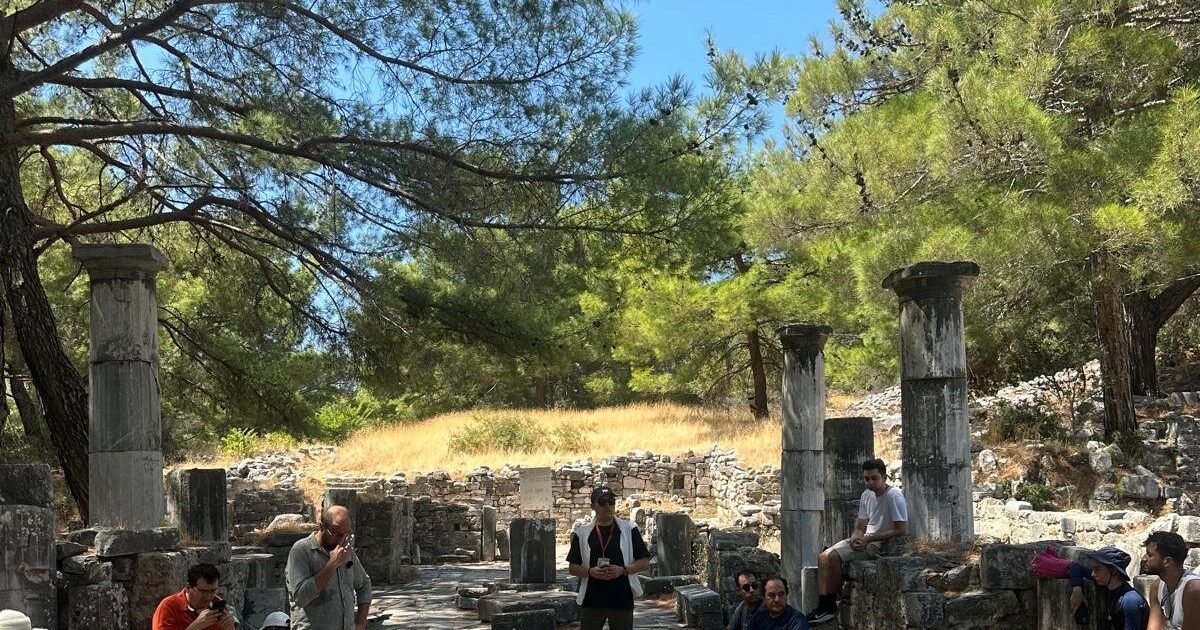
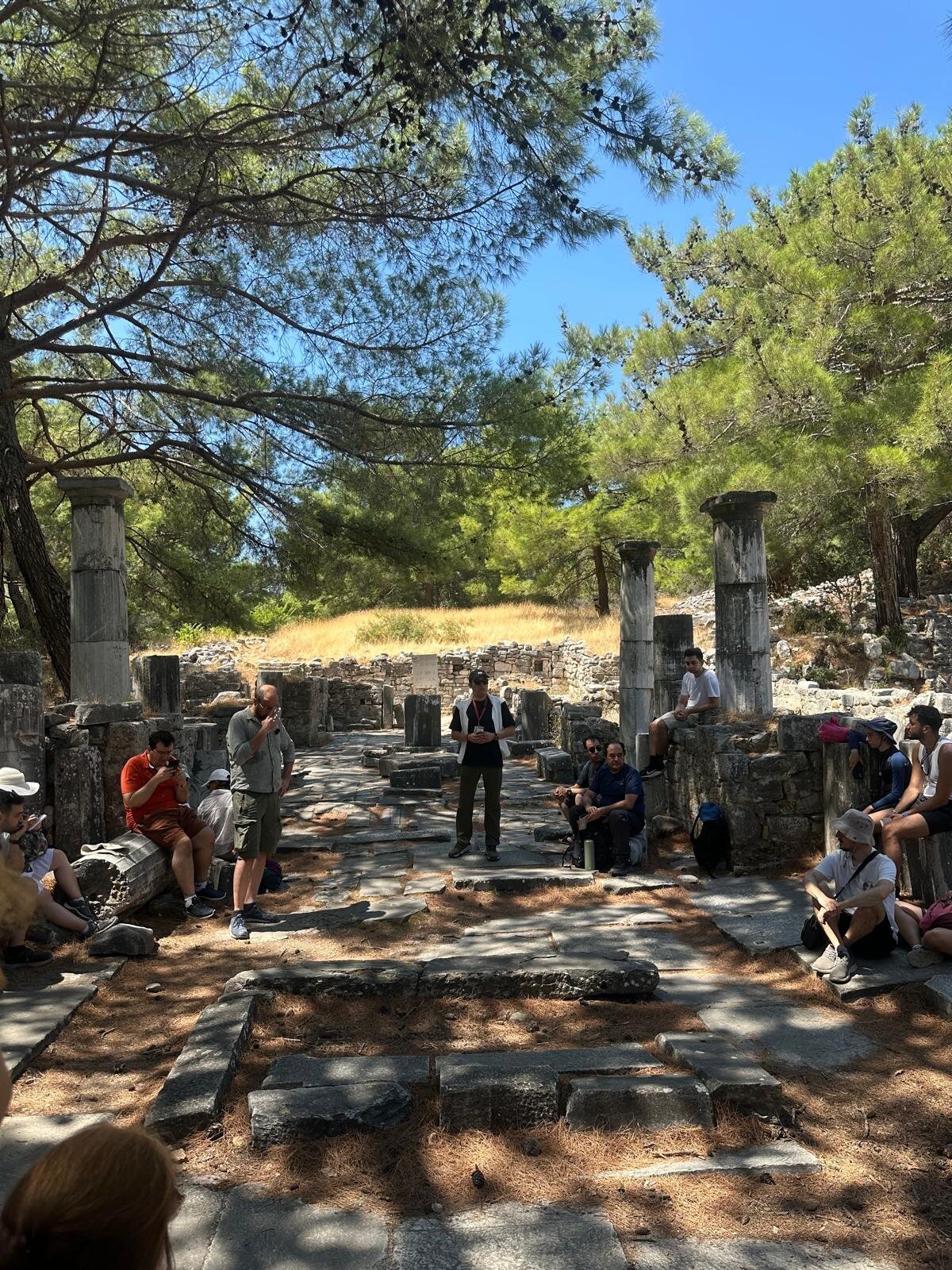
Most feedback advice is about what to ask. In practice the bigger lever is when. A group standing together at the end of a tour, still holding the experience in their heads, will answer a short question at a high rate. The same people, three hours later and in an inbox, mostly will not.
That is the whole problem in one sentence: the window is short, and it closes when the group breaks up.
Why does the last five minutes matter so much?
Three reasons compound. Participants are physically present, so there is no delivery step that can fail. The tour is fresh, so the answers are specific rather than generic. And you are still the person who ran it, which makes a short request feel like part of the tour rather than marketing.
After dispersal all three reverse. The email may not arrive, the memory has flattened into "it was nice", and you have become a sender rather than a guide.
| When you ask | Typical response | What you learn |
|---|---|---|
| During the closing gather | Highest | Specific, still-fresh detail |
| Same evening by email | Much lower | General impressions |
| Days later | Lowest | Mostly from people at the extremes |
The last row is the trap: late feedback over-represents the delighted and the annoyed, and quietly removes the middle where most of your improvements live.
What should you actually ask?
Less than you want to. Every question you add costs you completions, and the cost is not evenly distributed -- people abandon at the point where the form stops feeling short.
Decide first which job the request is doing. A public review is a marketing asset and belongs on the platform where bookings come from. A private question is an operational tool and belongs where you can read it honestly, including the answers you would not publish.
- Pick one number. A single rating is enough to see trends across tours; three ratings do not triple what you learn.
- Add one open question and make it specific. "What would you change about the pace?" gets a usable answer; "any comments?" gets none.
- Ask while the group is still together, in the closing gather, not after you have said goodbye.
- Say what happens to the answer. "I read these before I plan next season" measurably increases the effort people put in.
- Keep the public review request separate and second. Asking for both at once loses one of them.
How do ratings and surveys differ in practice?
A rating is a trend instrument. One score tells you almost nothing; the same score across forty tours tells you whether a route change worked. That is why it should stay stable -- changing the question breaks the comparison. If your account is connected to ChatGPT or Claude, you can ask it for that trend in plain language, for example how this month's ratings compare with last month's.
A survey is an investigation. You run it when you have a specific question, you close it when you have the answer, and it can be longer because you are asking a smaller number of people about something concrete. Our own panel keeps these separate for exactly that reason: ratings run continuously, surveys are created, opened and closed.
Frequently asked questions
How many questions is too many?
Should I ask for a public review at the same time?
How do participants reach the form?
Can I export the answers?
What do I do about a bad rating?
Ask while they are still standing there
Feedback is mostly a timing problem, and the fix is free. If you want the collection side handled too, ratings and surveys are both built into the guide panel -- see how it works or check the pricing.
Sources
Survey, rating and export behaviour describe the Your Next Tours guide panel as shipped in 2026. Photograph is our own. Response-rate patterns reflect our own observations and are described as tendencies rather than measured figures.
Related articles
 Tour operatorsTour group headset and loudspeaker rule changes: a dated timeline (2026)
 Tour operatorsCan tour guides use whisper systems at UK museums and castles? (2026)
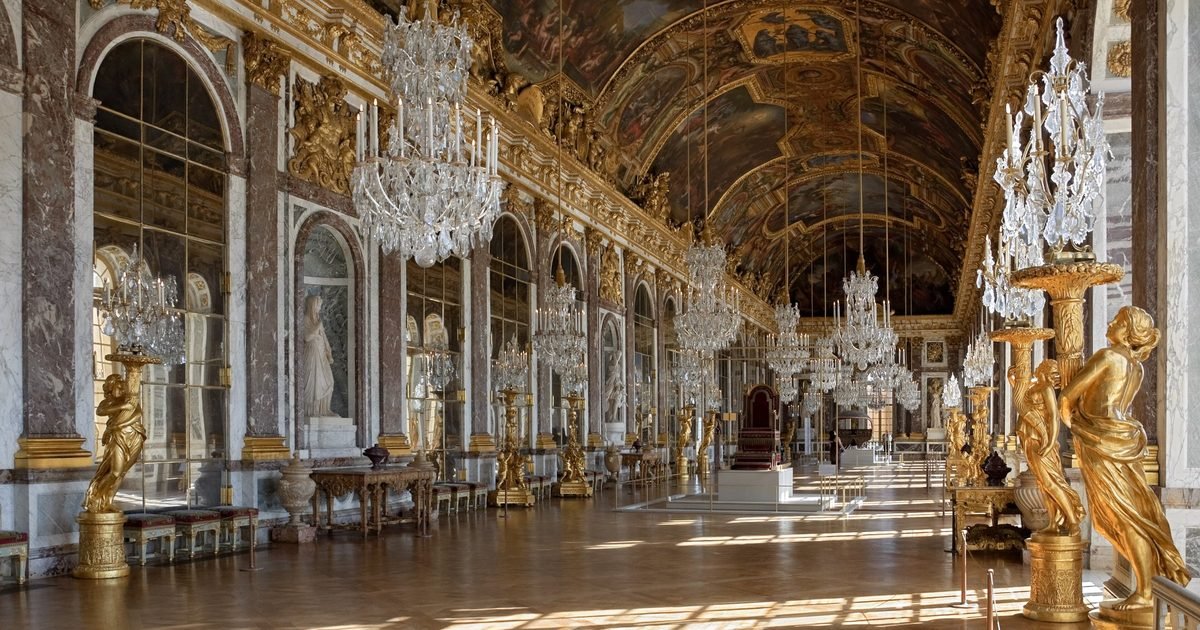 Tour operatorsWhere French monuments let tour groups bring their own headsets (2026)
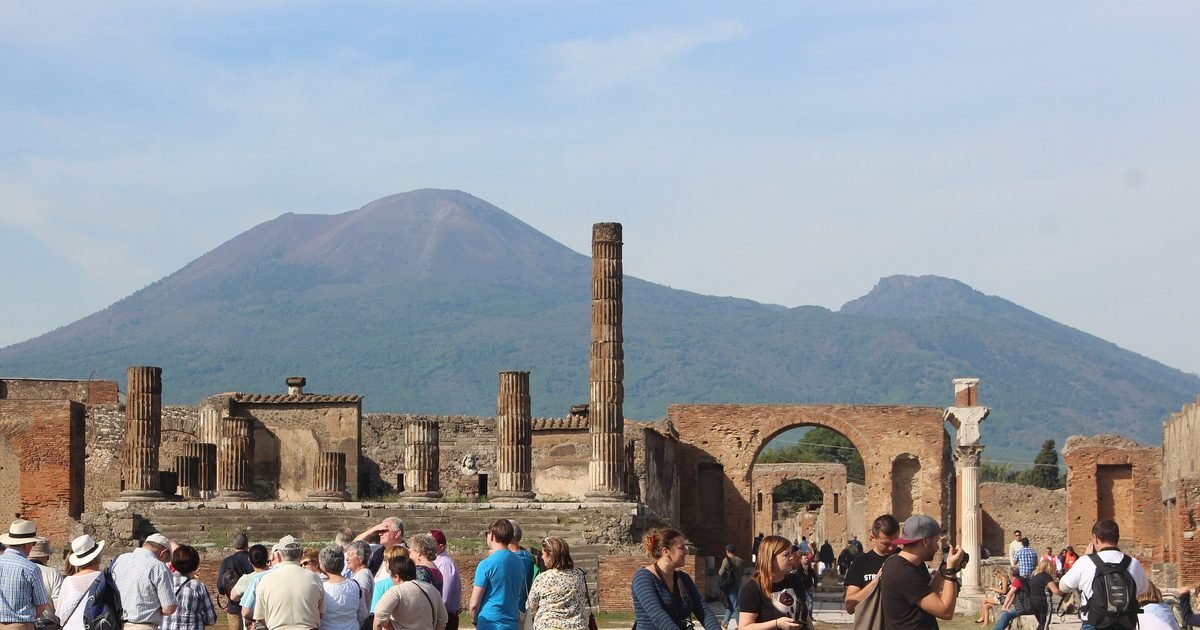 Tour operatorsItaly headset rules for tour groups in 2026: Milan, Pompeii, Cinque Terre and more
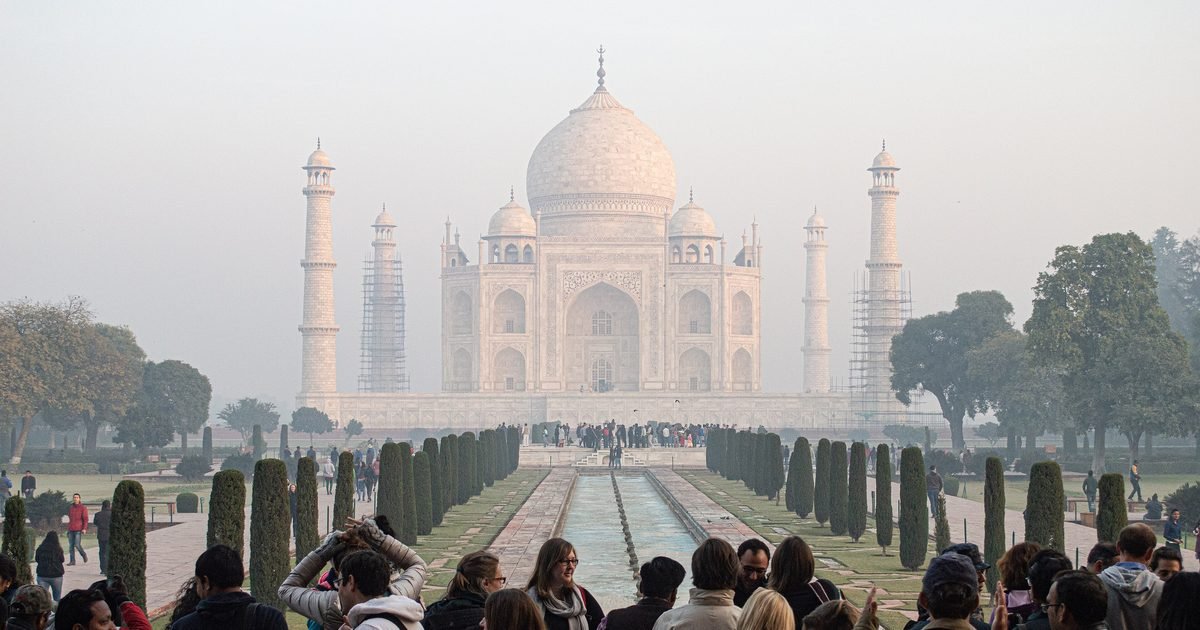 Tour operatorsWhere tour groups cannot use their own headsets or a phone based system (2026)
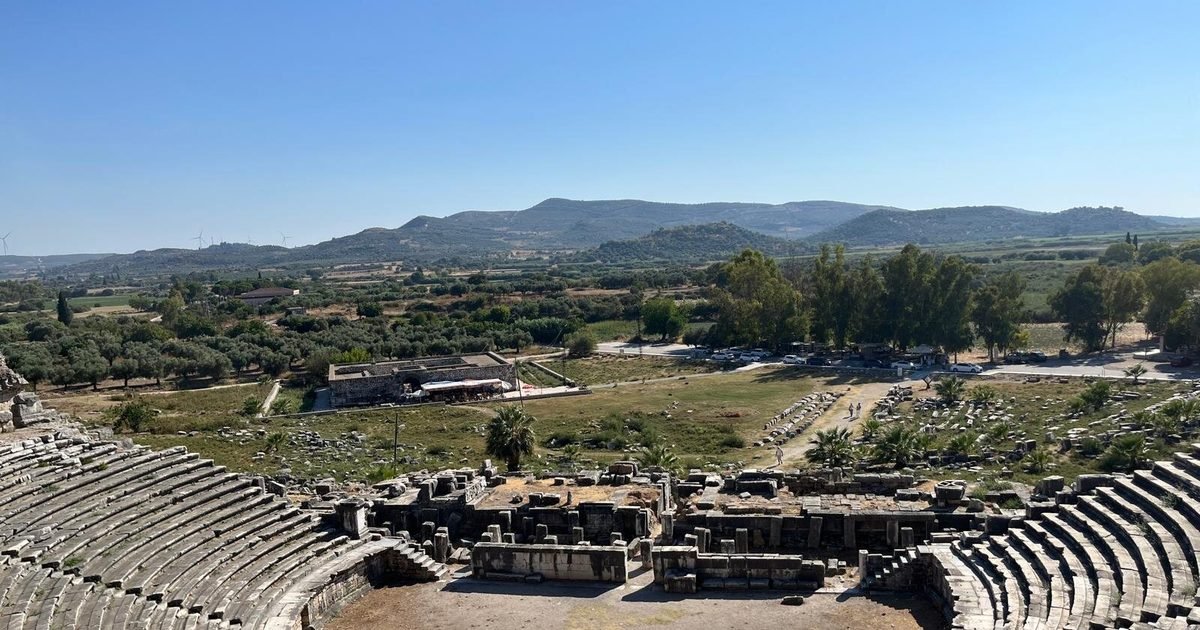 Tour operatorsSchool group tours: managing sixty students without losing your voice