
Can tour guides use whisper systems at UK museums and castles? (2026)
Summarize with AI:ChatGPTClaudePerplexityGrokGoogle AI Mode
At some UK sites yes; at others the wording leaves you guessing. British museums and castles rarely require headsets. They restrict amplification, license the guides or keep guiding out of the building, and a few use words that could catch a phone-based system: microphone, streaming, third-party audio guide. Each rule below is quoted from the official text, checked on 2 October 2026.
Which UK sites restrict tour group audio?
Nine of the sites we checked restrict it in one of three ways: an amplification ban, a limit on who may guide, or no guiding indoors. Only Edinburgh Castle addresses whisper systems directly, and it allows them. The table shows what each text restricts and what that means for a whisper system.
| Site | What the text restricts | What it means for whisper systems |
|---|---|---|
| Edinburgh Castle | Open loudspeakers | Allowed in writing, outside roofed buildings |
| British Museum | Loudspeakers, amplifiers, microphones | No exception; ask in writing |
| National Gallery | Amplification; streaming of tours | Not mentioned; ask in writing |
| Westminster Abbey | Portable speakers; Blue Badge guides only | Not mentioned |
| King's College, Cambridge | Third-party audio guides | Prior written permission |
| Buckingham Palace | Guiding | No guiding inside |
| Holyroodhouse | Guiding inside | Outdoor areas only |
| Christ Church, Oxford | Guiding (suspended) | No guiding inside |
| Roman Baths | Guiding by group leaders | No guiding on site |
Where are whisper systems allowed in writing?
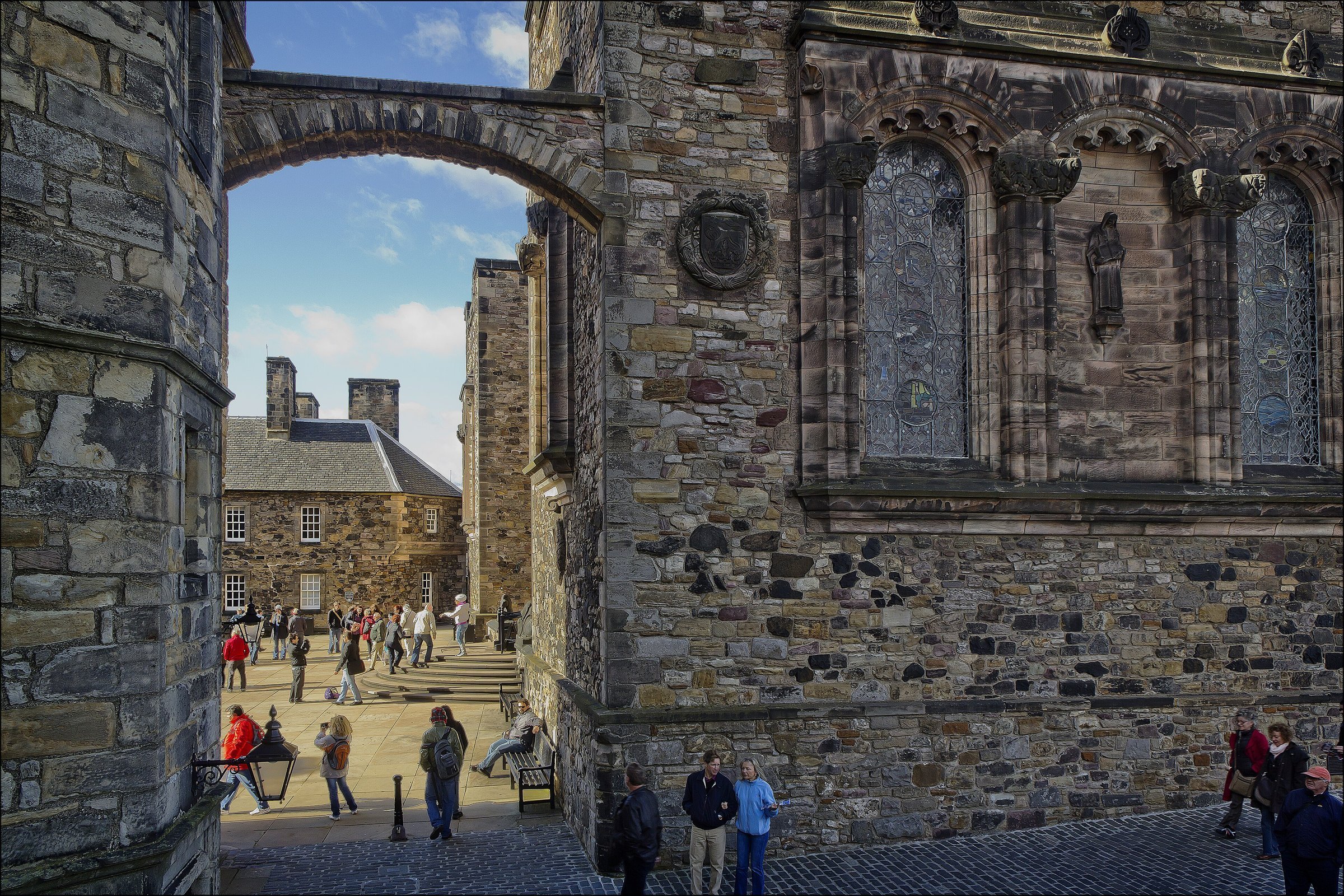
At Edinburgh Castle. The guiding leaflet from Historic Environment Scotland, dated April 2026, rules out "open audio loudspeakers" and tells guides to "feel free to use wireless transmission whisper systems". It is the clearest permission we found in the UK, and it comes with strict limits on where you may guide.
Guiding starts after the Portcullis Gate, never in the Lower Ward or in queues. It is not allowed inside any roofed building, such as the Great Hall or the Scottish National War Memorial, and that includes remote guiding from outside. Groups may not enter St Margaret's Chapel, and tours finish in Crown Square.
A phone-based system does the job the leaflet describes: the commentary reaches only the group, through earphones. The leaflet does not mention phones, so confirm your setup with the castle's admissions team, and never broadcast into a roofed building from outside.
Why is the British Museum rule a word risk?
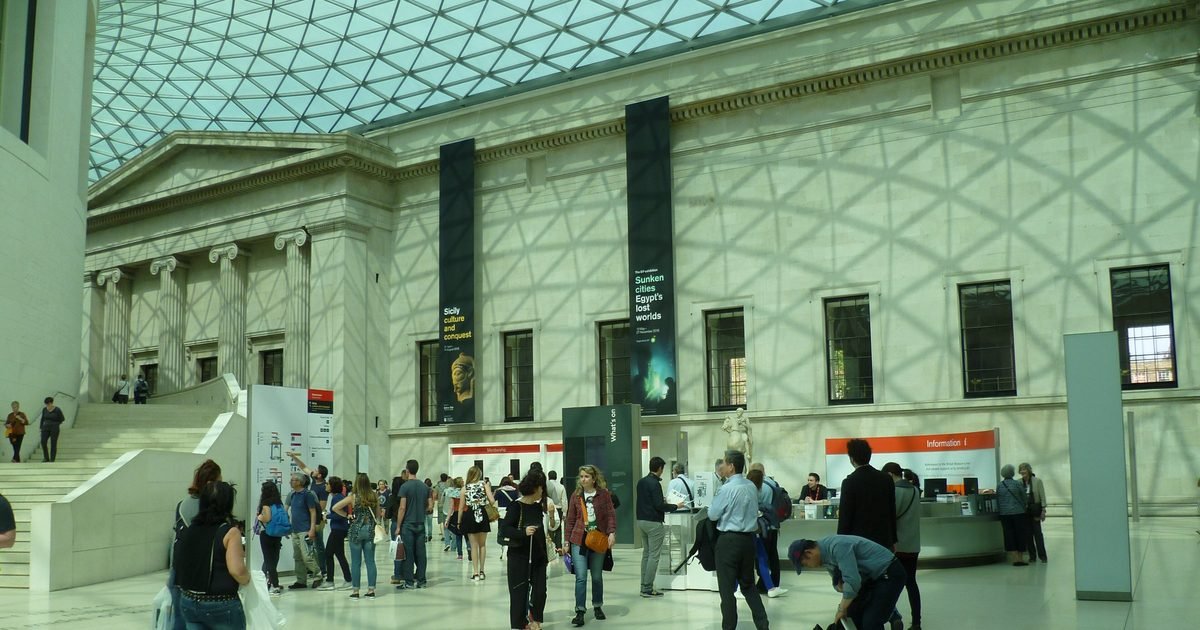
Because it bans the microphone itself. The British Museum's conditions of entry say "Loudspeakers, voice amplifiers or microphones must not be used by tour guides or leaders" when leading tour groups. There is no exception for whisper systems, and a whisper transmitter, like a phone, works through a microphone. Read word for word, the rule covers both.
The clause is clearly about noise: the same page asks visitors to silence phones and not to take calls in the galleries. A guide speaking quietly into a microphone adds no noise, but the text does not say so, and we have not seen the museum's reading in writing. Ask the museum to confirm any microphone-based system, phone or radio, before you plan around it.
Groups of 10 or more also book at least seven days ahead and enter through Montague Place, and tour groups may not enter rooms 33, 33a, 33b, 61, 62, 63, 91a or any exhibition.
What does "streaming" mean at the National Gallery?
The policy does not define it. The National Gallery's visitor admissions policy, updated on 27 April 2026, says "Amplification devices are not permitted inside the Gallery" and separately bans the photography, audio recording or streaming of tours. Streaming most likely means publishing a tour online, but the text does not say so.
A broadcast over the guide's own WiFi router stays on a local network, but only the Gallery can say how it reads its wording. Two points are clear: do not record the tour, which the same clause bans, and keep live translation off unless the Gallery agrees, because it sends the guide's voice over the internet.
The policy also bans charging electronic items inside the Gallery, so the guide's phone needs a full battery. Self-guided groups are limited to 30 people.
Where can't outside guides narrate at all?
At Buckingham Palace, the Palace of Holyroodhouse, Christ Church in Oxford and the Roman Baths, the rule concerns guiding itself, so the equipment question never arises. Your Next Tours cannot be used inside these sites. It is useful only for outdoor stops and for the briefing before the group goes in.
- Buckingham Palace: "Guiding isn't allowed at Buckingham Palace." London Blue Badge Guides may enter free, subject to availability, but do not narrate.
- Palace of Holyroodhouse: "No guiding is permitted inside the Palace of Holyroodhouse". Guiding is welcome in the Forecourt, Holyrood Abbey and the royal gardens.
- Christ Church, Oxford: "Guiding in the College and Cathedral has been suspended until further notice." Groups use the college's multimedia guide, which doubles as the entry pass.
- Roman Baths, Bath: "No guiding by group leaders is allowed anywhere on site."
Two sites limit who may guide rather than how. At Westminster Abbey, "Only authorised Blue Badge Guides are permitted to guide in the Abbey", one guide per 20 people at most, and portable speakers are not allowed inside. At King's College, Cambridge, "Audio guides provided by 3rd party tour operators are not permitted" without the college's prior written permission.
What should tour companies check before a UK itinerary?
- Sort each stop: whisper systems allowed, wording to clarify, or no guiding inside.
- Before selling the tour, describe your system in writing to the sites in the middle group (guide's phone, local WiFi, participants' earphones) and keep the replies.
- Check guide licensing: Blue Badge Guides at Westminster Abbey, badge guides at King's College.
- Plan briefings for outdoor areas, such as the Edinburgh Castle guiding areas and the Holyroodhouse gardens.
- Charge the guide's phone fully before the National Gallery.
- Tell participants to bring earphones and keep phones on silent in the galleries.
Frequently asked questions
Is a whisper system allowed at the British Museum?
Can I narrate into the Great Hall at Edinburgh Castle from outside?
Can I guide in the gardens at Holyroodhouse?
Do we need internet for a phone-based system in a stone castle?
Try it on your next tour
Use it where UK sites allow whisper systems, and at every outdoor stop and briefing. Install the guide app, create a tour and share its QR code: participants listen on their own phones and earphones, with nothing to rent or collect. See how it works, pricing and each rule in our tour group headset rules by country.
Sources
Official sources
Rules checked on 2 October 2026.
Related articles
 Tour operatorsHow do you collect feedback after a tour without chasing people?
 Tour operatorsTour group headset and loudspeaker rule changes: a dated timeline (2026)
 Tour operatorsWhere French monuments let tour groups bring their own headsets (2026)
 Tour operatorsItaly headset rules for tour groups in 2026: Milan, Pompeii, Cinque Terre and more
 Tour operatorsWhere tour groups cannot use their own headsets or a phone based system (2026)
 Tour operatorsSchool group tours: managing sixty students without losing your voice