
A participant cannot hear you well. What can you actually change?
Summarize with AI:ChatGPTClaudePerplexityGrokGoogle AI Mode
Almost every guide has had this conversation at a meeting point: a participant quietly says they do not hear well, and the guide says "stay close to me". It is well meant and it is the best available answer without equipment.
It is also a trade rather than a solution. The participant gets volume and gives up the ability to stand where the view is, to look at what everyone else is looking at, or to walk with the person they came with.
Why does a single volume never fit a whole group?
Because hearing varies across a group far more than guides assume, and the variation is invisible. In any group of thirty there is usually someone who finds your normal level too quiet and someone who finds a raised voice uncomfortable.
A shared acoustic level -- your voice, or a speaker -- has exactly one setting. It is a compromise that is wrong at both ends, and the person it fails is the one least likely to say so twice.
| Approach | Who it serves | What it costs |
|---|---|---|
| "Stand at the front" | One person, partly | Their freedom to move and look |
| Speaking louder | The middle of the range | Your voice; and it can be uncomfortable for others |
| Portable speaker | Everyone equally, at one level | Still one setting; disturbs other visitors |
| Own phone and earphones | Each listener at their own level | Requires a device, which most people have |
What does per-listener volume change in practice?
It moves the setting from the room to the person. When the audio arrives through a participant's own phone and their own earphones, they set the level that works for them without anyone else's experience changing, and without telling the group anything about themselves.
That last part matters more than the decibels. A participant who can quietly turn the volume up has been accommodated without a conversation, and can then stand wherever they like.
Where do captions help?
More broadly than the obvious case. Live captions on the participant's own screen serve someone with hearing difficulty, but they also serve the participant standing next to a noisy road, the one whose second language is the tour language, and the one who missed a proper noun and wants to check the spelling.
We added captions as part of live translation rather than as an accessibility feature, and the accessibility use turned out to be the one people mention.
- Ask about access needs in the booking form, not at the meeting point. A written question is easier to answer honestly.
- Offer the option rather than assigning it. "Captions are available on your phone" respects the participant's choice.
- Keep your face visible when you speak. Lip reading supplements hearing for many people and costs you nothing.
- Say proper nouns clearly and once, then let the captions carry the spelling.
- Avoid speaking while walking away from the group, which removes both volume and visual cues at the same time.
Frequently asked questions
Can each participant set their own volume?
Are captions available during the tour?
What about participants who use hearing aids?
How should I ask about access needs?
Does any of this need extra equipment from the participant?
Let people choose where to stand
Good access on a tour usually means removing a trade-off rather than adding a service. If the only tool you have is "stand near me", see how the broadcast works -- each participant sets their own volume and can read along, from wherever they want to stand.
Sources
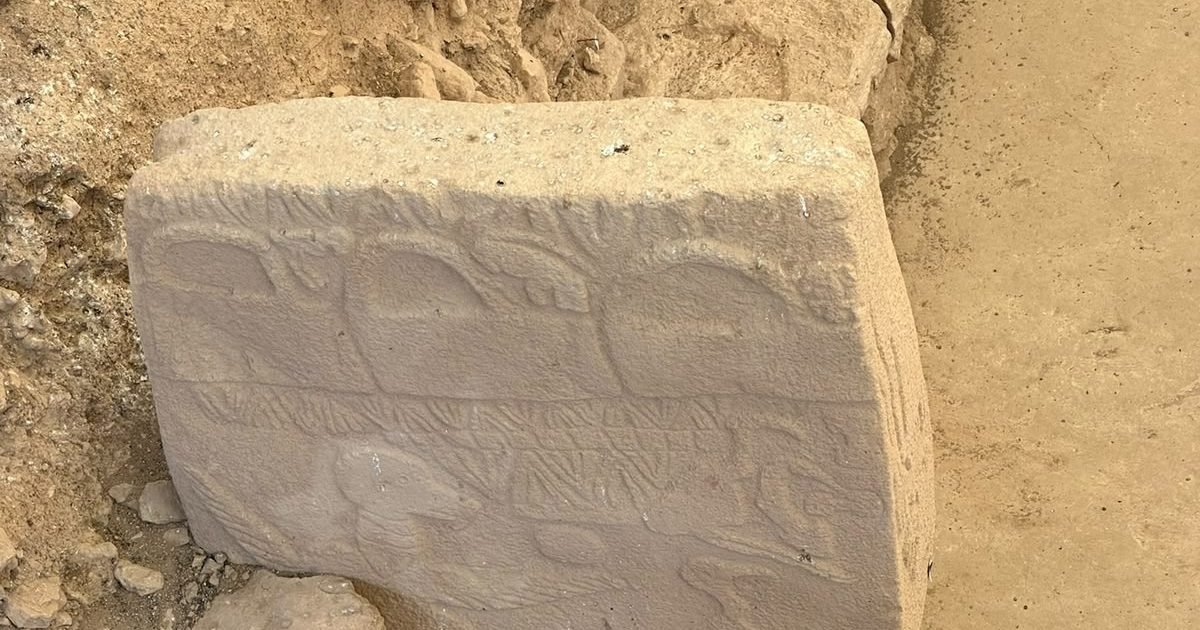
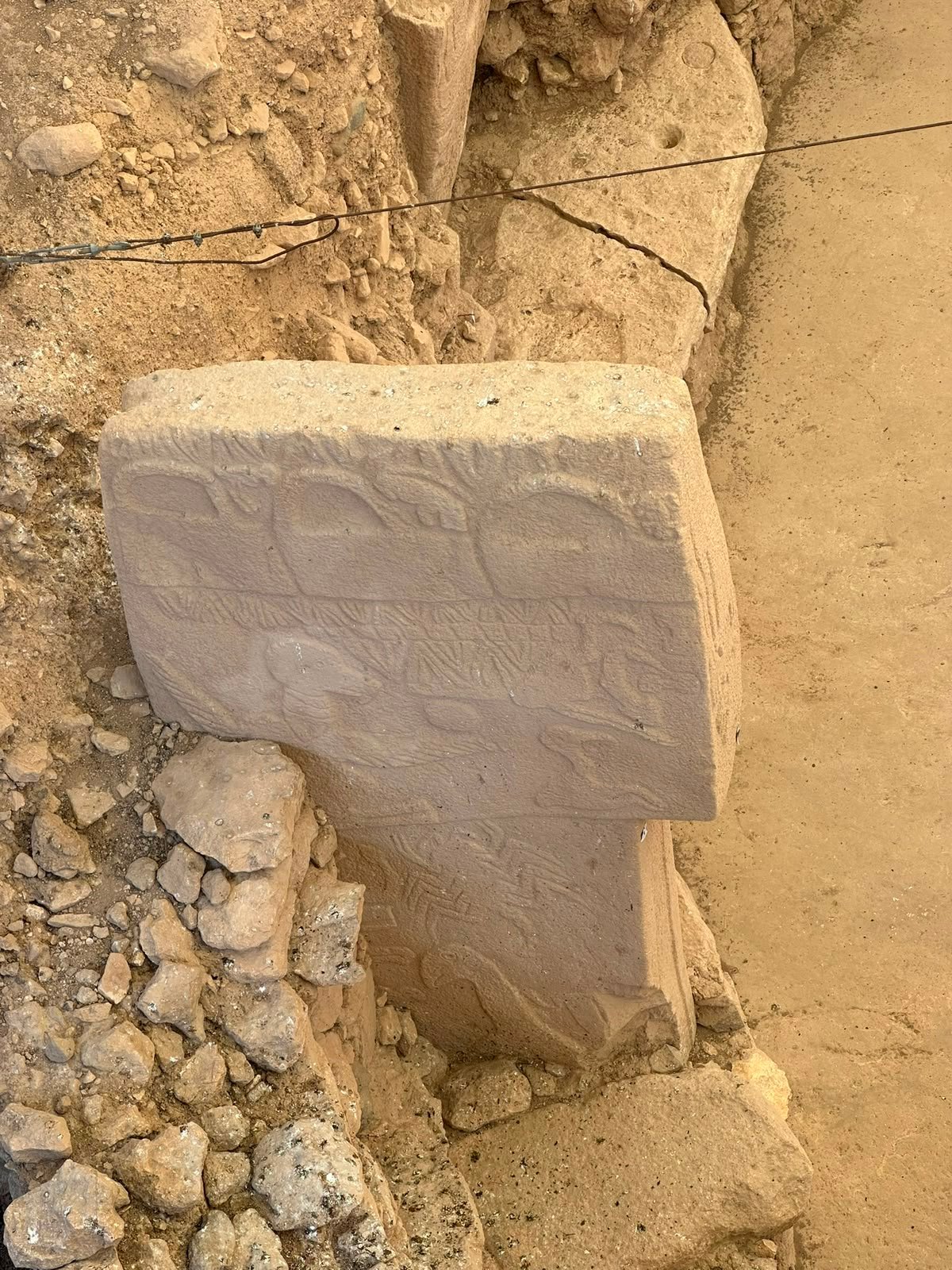
Per-listener volume and live caption behaviour describe the Your Next Tours system as shipped in 2026. Photograph is our own, from our field test at Göbeklitepe. Hearing-aid connectivity varies by device and manufacturer; confirm with the participant.
Related articles
 GuidesQuiet guiding in China and Japan: loudspeaker bans from the Forbidden City to Kyoto's temples (2026)
 GuidesHow long should a group spend at an archaeological site?
 GuidesUS walking tour rules on loudspeakers and group size: Savannah, Charleston, New Orleans and Salem (2026)
 GuidesGroup audio rules at the Rijksmuseum, Van Gogh Museum and other Amsterdam sites (2026)
 GuidesSintra's palaces require radio guides for more than ten visitors per guide, and you bring your own (2026)
 GuidesWhich Madrid museums let groups bring their own headsets? Prado, Reina Sofía and Thyssen (2026)