
Narrating on a boat tour: engine noise, open water and no signal
Summarize with AI:ChatGPTClaudePerplexityGrokGoogle AI Mode
Most guiding problems have a movement solution: bring the group closer, turn them away from the noise, find shelter. A boat removes all three. Passengers sit where they sat when they boarded, the engine runs the entire time, and there is nowhere to move to.
That makes boat tours the clearest case for listening on personal devices rather than through the air -- but only if the system does not need a signal you will not have.
Why is engine noise harder than wind?
Because it never stops and it is not directional in a way you can use. Wind gives you a good option: turn your back to it. An engine gives you a gradient -- quieter at the bow, louder at the stern -- and passengers are distributed along the whole thing.
The result is that any single speaking position is wrong for part of the boat. Guides handle this by walking and repeating, which works for small groups on a single deck and fails completely on a two-level boat.
What about the boat's own speaker system?
It is worth asking about, and worth testing before you depend on it. Many boat PAs are specified for short safety announcements: intelligible for a sentence, tiring across a forty-minute narration, and often with no volume control at the guide's position.
The second issue is that a PA broadcasts to everyone aboard, including passengers on a different tour, families with sleeping children, and anyone who came for the quiet.
| Approach | Works on two decks | Needs signal | Disturbs other passengers |
|---|---|---|---|
| Unaided voice | No | No | No |
| Boat PA | Usually | No | Yes |
| Cloud audio-guide app | Yes | Yes -- fails offshore | No |
| Local-network broadcast | Yes | No | No |
What should you test before the first paying trip?
Test with the engine running and with people aboard. A boat at the quay with the engine off tells you nothing, and human bodies absorb signal in a way an empty deck does not.
- Run the engine. Check audio at the bow, mid-ship and stern, and on both decks if there are two.
- Stand where you will actually stand. If you narrate from the bow, test from the bow.
- Check the far corner of the lower deck -- it is usually the weakest point on any boat.
- Confirm the system does not need mobile data, then verify it offshore rather than trusting the label.
- Agree a hand signal with the skipper for volume or engine changes; you will not be able to shout to the wheelhouse.
Frequently asked questions
Does the system work with no mobile coverage offshore?
Will passengers on the lower deck hear it?
Can passengers still hear the skipper's safety announcements?
Does spray or humidity matter?
Is this better than handing out radio receivers?
Try it on a short run first
Boat tours punish untested setups more than any other venue, because you cannot fix anything once you have left the quay. See how the broadcast works and run it on a short trip before you put it on a full-day itinerary.
Sources
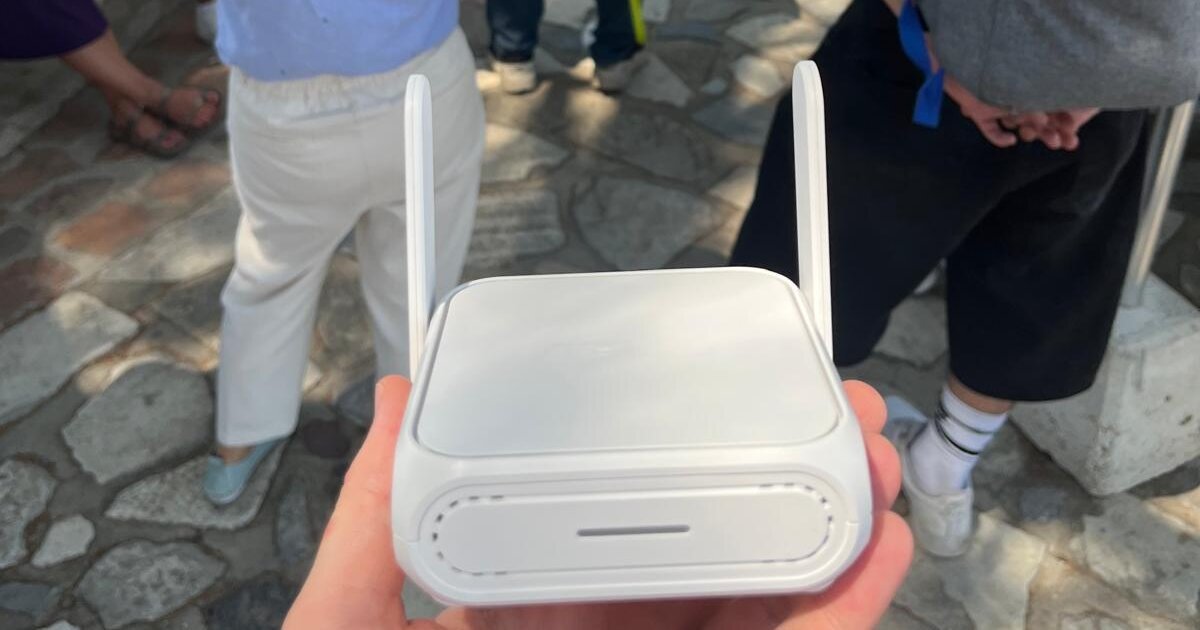
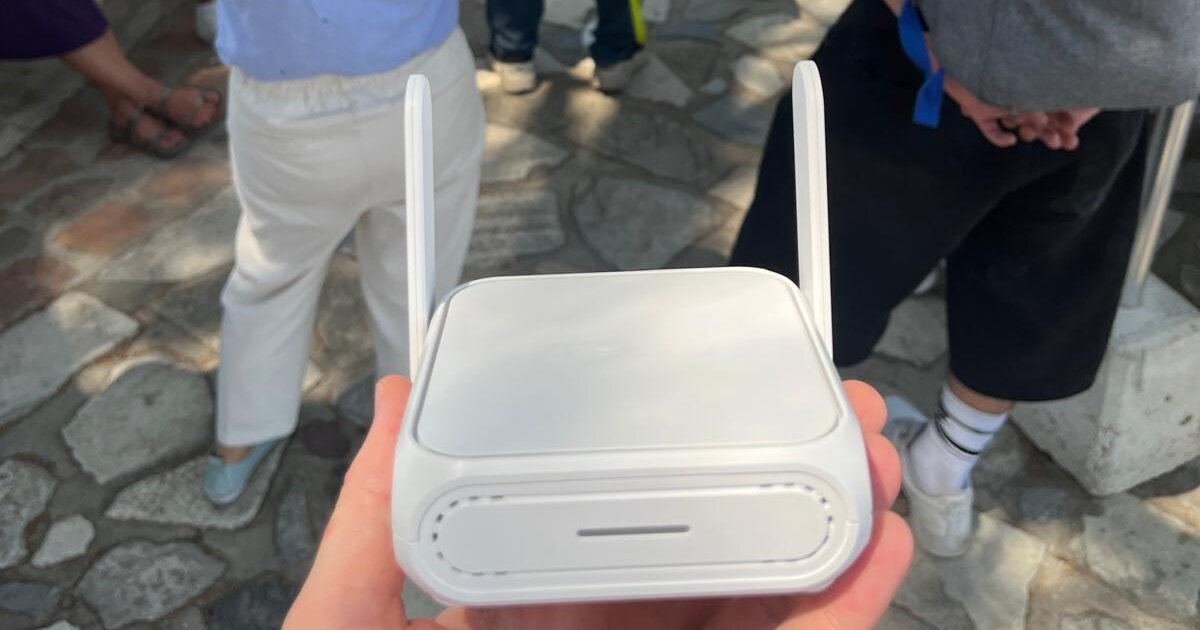
Offline operation was verified in our own field tests with no mobile coverage. Photograph is our own. Boat PA characteristics vary by vessel; the pre-trip test described above is the only reliable way to know what yours does.
Related articles
 GuidesGroup tours in Rome with headsets: where your own system works and where it does not (2026)
 GuidesLouvre groups of 7 to 20 must bring their own headsets (2026)
 GuidesVenice requires earphones for tour groups of more than ten (2026)
 GuidesCity walking tours: how to be heard over traffic without shouting
 GuidesHeadsets are mandatory for Florence tour groups of more than eight (2026)
 GuidesYour group has scattered across a site. Now what?